


About
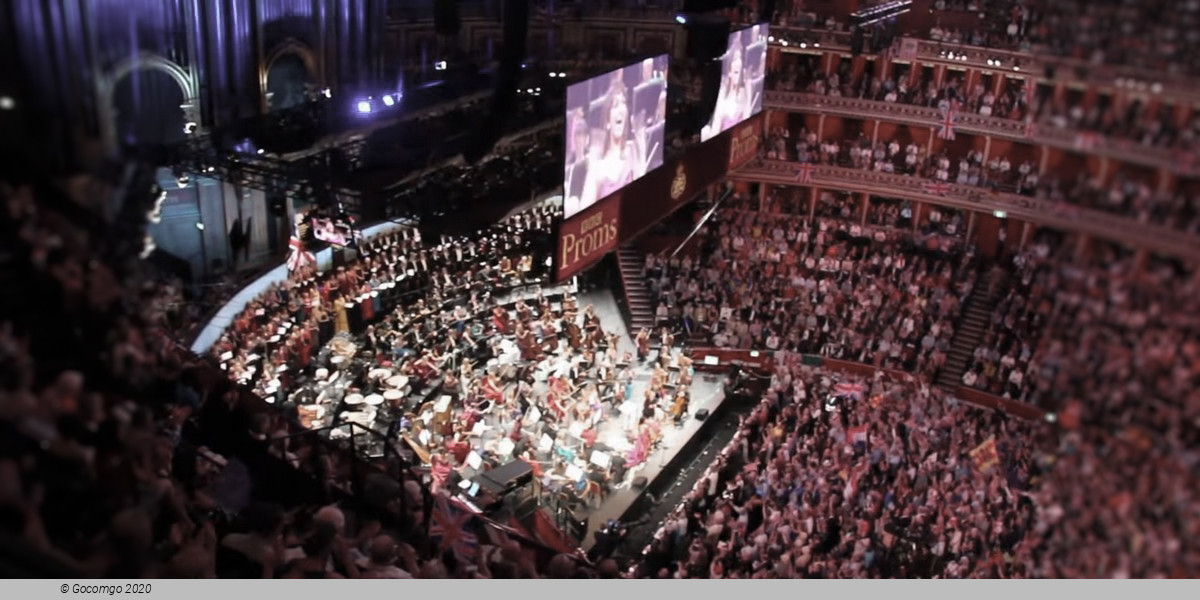
Musical greats - from the past and the present - brought together in one extraordinary Proms season 2023. Whether you are a classical connoisseur or think 'classical music is not for me' there is surely something for everyone in the 8 week stretch of concerts.
Proms is the main event of the year with the participation of world classical music stars.
If you are interested in this schedule leave a request. As soon as the playbill is announced, we will let you know immediately, and you will be the first to get the tickets.
In each section, you will get the best seats for the same price - centrally located and in front rows.
We provide seats with the best acoustics only.
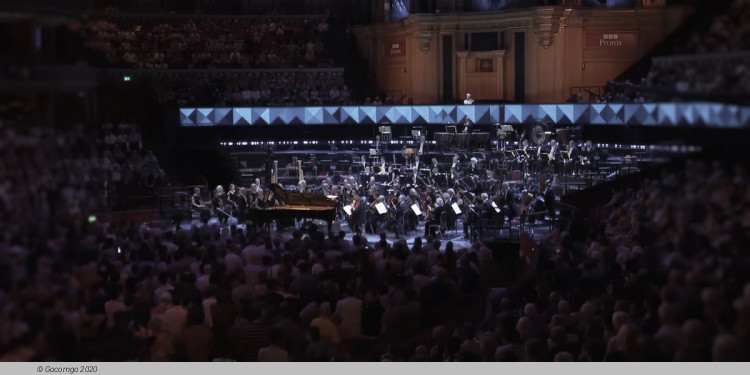
Even in the world's best concert halls and opera houses, the listening conditions can vary greatly, and some seats are better than others. Sometimes nearby seats have very different viewing and listening conditions.
Usually, these seats are sold out soon and available for early bookers only. We guarantee that you will receive full-view seats only.
Detailed information about the 2023 Festival will be added later. Please read about the previous "Proms 2022":
The 2022's eight-week celebration was featured 84 concerts, with 73 of these took place in the spectacular auditorium of the Royal Albert Hall. The season was featured large-scale repertoire not heard at the festival since 2019, plus the return of international orchestras including the newly-formed Ukrainian Freedom Orchestra. The festival also marked the centenary of the BBC with partnerships with beloved BBC brands.
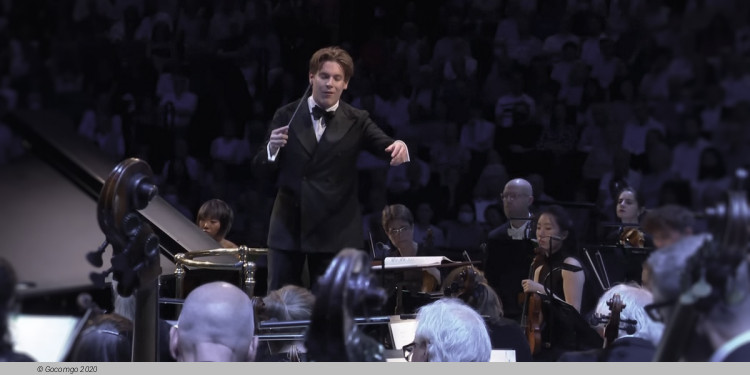
Some highlights of the eight weeks of world-class concerts who graced the Royal Albert Hall stage this summer:
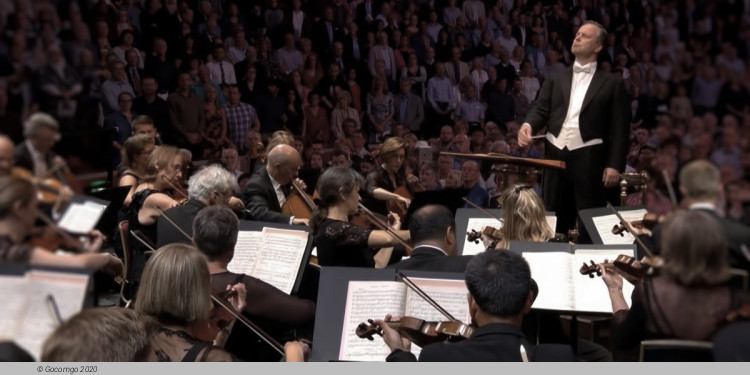
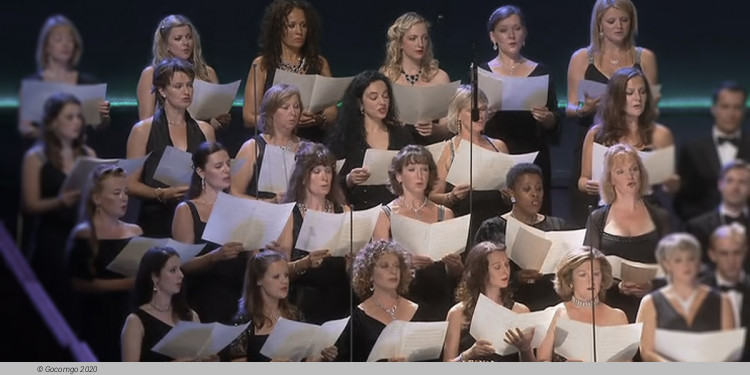
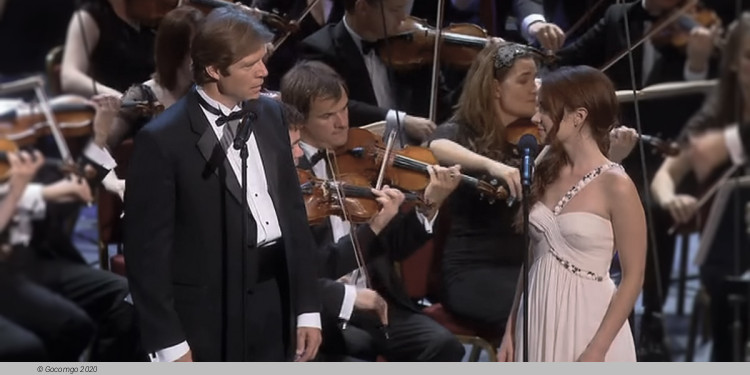
First Night Verdi's Requiem - Sakari Oramo conducted the BBC Symphony Orchestra and Chorus in Verdi’s Requiem: a truly spectacular First Night of the 2022 BBC Proms.
BBC National Orchestra of Wales, The Two Scheherazades - Scheherazade is the Lady of Legends, the Mistress of Veils.
Kazuki Yamada conducted the CBSO; Glinka, Smyth and Rachmaninov - The City of Birmingham Symphony Orchestra and its Chief Conductor Designate Kazuki Yamada perform emotionally charged masterworks by Glinka, Rachmaninov and Ethel Smyth.
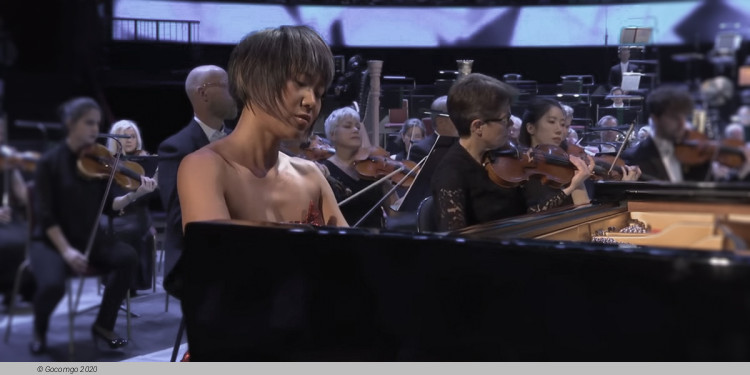
Hallé and the Royal College of Music Opera Chorus: Pucinni’s Il tabarro - longing, loneliness and deadly passion: Puccini’s one-act opera Il tabarro crowned a colourful programme from the Hallé and its long-serving Music Director Sir Mark Elder
Royal Philharmonic Orchestra, Gaming Prom, From 8-Bit to Infinity - In the first ever Gaming Prom, an electronically expanded Royal Philharmonic Orchestra explored the musical universe of gaming: from the classic console titles of the 1980s to the European concert premiere of a suite from Battlefield 2042.
BBC Philharmonic; Shostakovich's Last Symphony and a Concerto for Theremin - Imagine pulling music out of thin air. John Storgårds and the BBC Philharmonic performed Shostakovich's enigmatic final symphony, alongside music by Kaija Saariaho and Kalevi Aho's haunting Theremin Concerto Eight Seasons.
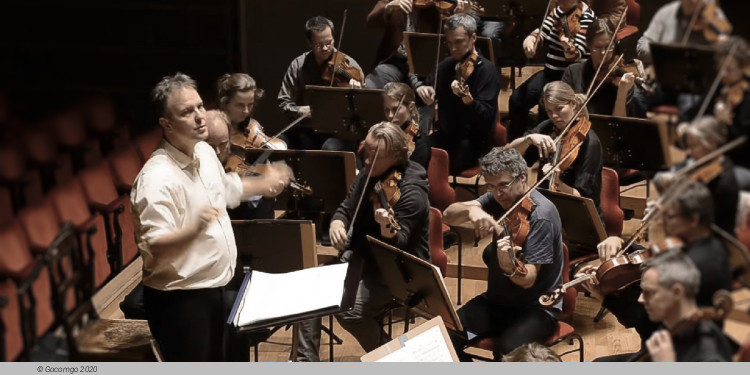
National Youth Orchestra of Great Britain plays Elfman, Gershwin and Ravel - The National Youth Orchestra of Great Britain brought all its signature energy and joy to a truly kaleidoscopic programme: works by Danny Elfman and Gershwin, followed by Ravel's luscious complete ballet Daphnis and Chloe.
Ethel Smyth's The Wreckers, Glyndebourne Festival Opera - an opera of love and tragedy in a community lashed by the sea. Glyndebourne Festival Opera presented a concert version of its landmark new production.
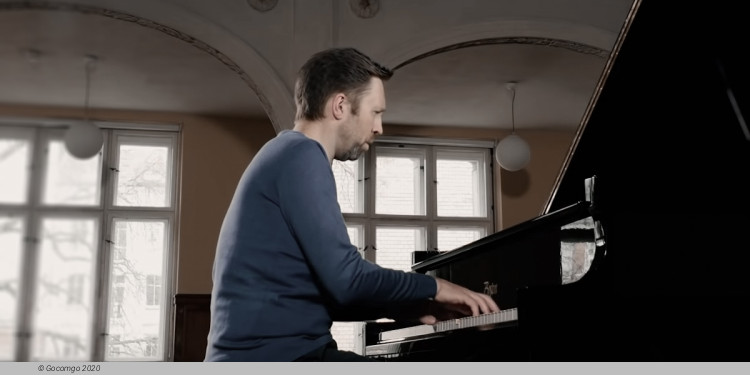
Norwegian pianist Leif Ove Andsnes stands in for Mozart with the Mahler Chamber Orchestra, as he directed and played two contrasting piano concertos from 1785: the dark-hued Concerto No. 20, and the gloriously playful Concerto No. 22.
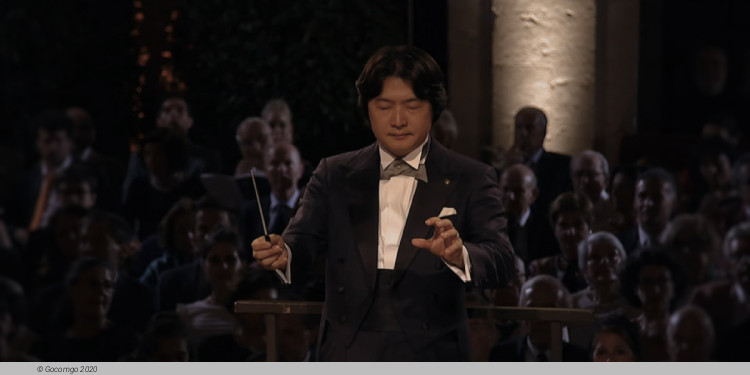
Mozart Momentum 2; Mahler Chamber Orchestra with Leif Ove Andsnes and Christiane Karg - In the second of three all-Mozart Proms with his Mahler Chamber Orchestra colleagues, Norwegian conductor-pianist Leif Ove Andsnes zoomed in on the year 1786, and finds Amadeus at the absolute peak of his game.
Mozart Momentum 3; Proms at… Battersea; Leif Ove Andsnes and friends with WAM - Leif Ove Andsnes and three Mahler Chamber Orchestra members performed some of the loveliest chamber music Mozart ever created.
Marin Alsop conducts the Vienna Radio Symphony Orchestra: Bartok, Prokofiev, Eisendle and Dvorak - The Vienna Radio Symphony Orchestra came to the Proms with its American Music Director Marin Alsop. Music by Bartók, Dvořák, Hannah Eisendle and Prokofiev, with Benjamin Grosvenor at the piano.
BBC Scottish Symphony Orchestra, Nielsen, Ravel and Beethoven's First Piano Concerto with Behzod Abduraimov - Nielsen's ebullient Sinfonia espansiva, Ravel's La valse and Beethoven's First Piano Concerto – played by pianist Behzod Abduraimov at the heart of a supercharged Prom from Thomas Dausgaard and the BBC Scottish Symphony Orchestra.
Ethel Smyth's Mass in D, BBC Symphony Orchestra and Chorus with Sakari Oramo - Ethel Smyth wasn't especially religious, but her majestic Mass in D major is one of the crowning glories of the British choral tradition: Sakari Oramo and the BBC Symphony Orchestra gave the first Proms performance since the composer's own lifetime.
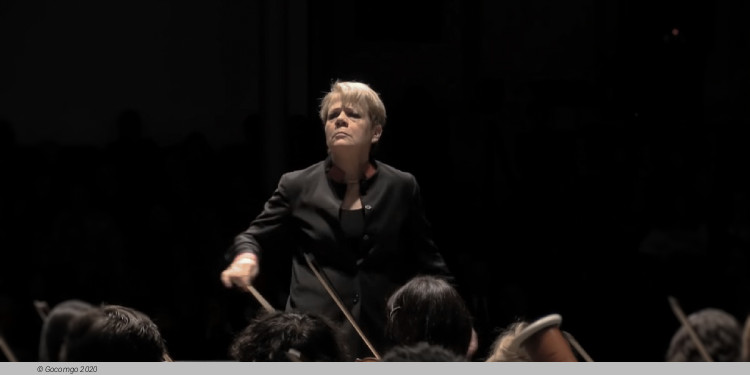
The Australian World Orchestra with conductor Zubin Mehta and soprano Siobhan Stagg; Brett Dean, Webern, Debussy and Brahms - The Australian World Orchestra is a classical supergroup unlike anything on earth: for conductor Zubin Mehta, it's 'one of the top 10 orchestras in the world'. Its Proms debut included Brahms's Second Symphony, plus music by Webern and Brett Dean.
The Sixteen Sings Tallis's Spem in alium and other choral masterworks - The virtuoso chamber choir The Sixteen performed Tallis's extraordinary 40-part Spem in alium – the centrepiece of an unaccompanied late-night choral meditation that extends from medieval plainsong to the sounds of the 21st century.

Chineke! performs Beethoven's Ninth Symphony - Beethoven’s Ninth Symphony meets George Walker’s Pulitzer Prize-winning Lilacs in this Prom from Chineke!, Europe’s first majority Black and ethnically diverse orchestra.
Mahler's 7th Symphony; Berlin Philharmonic Orchestra and Kirill Petrenko - In the first of two Proms, Kirill Petrenko and the Berlin Philharmoniker performed Mahler’s ‘song of the night’, his Seventh Symphony.
Berliner Philharmoniker plays Schnittke and Bruckner - In their final concert at the 2022 BBC Proms, the Berliner Philharmoniker was joined by Daniel Harding to perform Bruckner's Fourth Symphony, and viola soloist Tabea Zimmermann rediscovered Schnittke's powerful but neglected Viola Concerto.
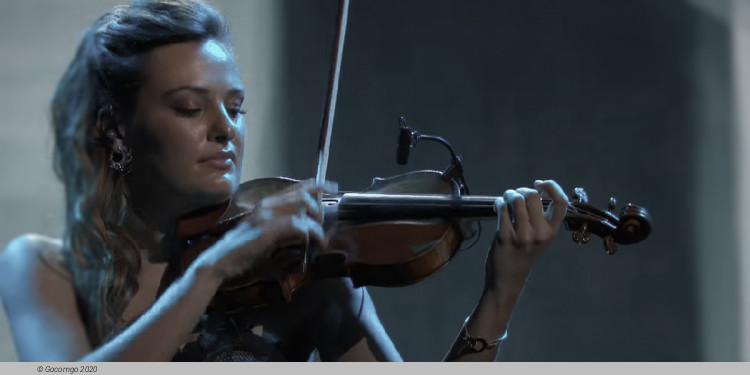
Nicola Benedetti plays Wynton Marsalis with the Royal Scottish National Orchestra - Thomas Søndergård and The Royal Scottish National Orchestra gave its Proms premiere: the big, generous heart of a concert with a spring in its step, that opened with Thomas Adès's wonderfully sleazy Powder her Face suite and ended amid the headstrong urban energy of West Side Story. In between comes a blast of fresh sea air from Benjamin Britten. (BBC)
About the BBC Proms
The Proms is an eight-week summer season of daily orchestral classical music concerts and other events held annually, predominantly in the Royal Albert Hall in central London. The Proms were founded in 1895, and are now organised and broadcast by the BBC. Each season consists of concerts in the Royal Albert Hall, chamber music concerts at Cadogan Hall, additional Proms in the Park events across the UK on the Last Night of the Proms, and associated educational and children's events. The season is a significant event in British culture and in classical music. Czech conductor Jiří Bělohlávek described the Proms as "the world's largest and most democratic musical festival".
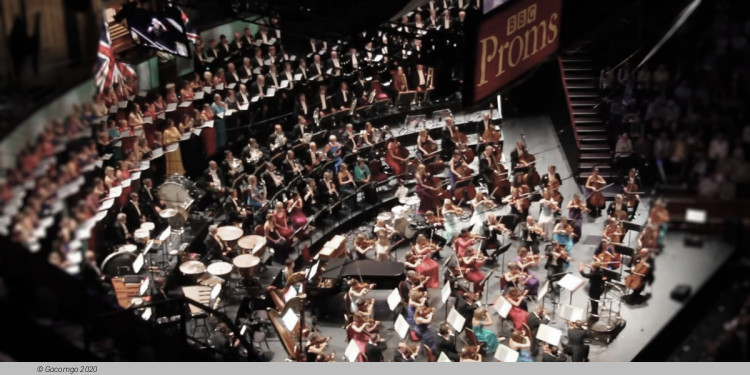
Prom is short for promenade concert, a term which originally referred to outdoor concerts in London's pleasure gardens, where the audience was free to stroll around while the orchestra was playing. In the context of the BBC Proms, promming refers to the use of the standing areas inside the hall (the Arena and Gallery) for which ticket prices are much lower than for the seating. Proms concert-goers, particularly those who stand, are sometimes referred to as "Prommers" or "Promenaders".
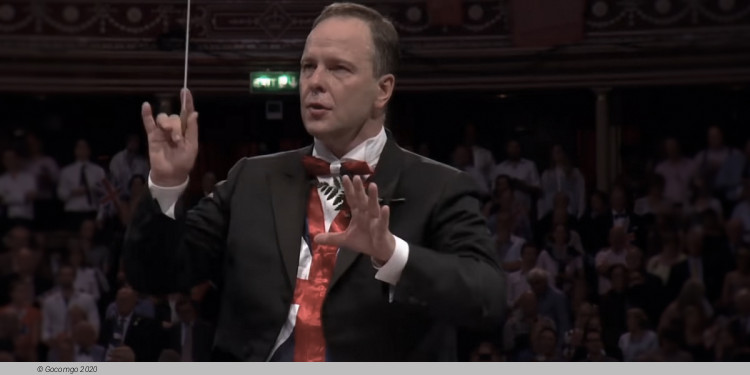
Many people's perception of the Proms is based on the Last Night, although this is very different from the other concerts. It usually takes place on the second Saturday in September, and is broadcast in the UK on BBC Radio 3, and on television on BBC Two (first half) and BBC One (second half). The concert is traditionally in a lighter, 'winding-down' vein, with popular classics followed by a second half of British patriotic pieces. This sequence traditionally includes Edward Elgar's "Pomp & Circumstance March No. 1" (to part of which "Land of Hope and Glory" is sung) and Henry Wood's "Fantasia on British Sea Songs", followed by Thomas Arne's "Rule, Britannia!". The concert concludes with Hubert Parry's "Jerusalem", and the British national anthem, since 2010 in an arrangement by Benjamin Britten. The repeat of the Elgar march at the Last Night can be traced to the spontaneous audience demand for a double encore after its premiere at a 1901 Proms concert. The closing sequence of the second half became fully established in 1954 during Sargent's tenure as chief conductor.
The Prommers have made a tradition of singing "Auld Lang Syne" after the end of the concert, but this was not included in the programme until 2015. However, when James Loughran, a Scot, conducted the Last Night concert in the late 1970s and early 1980s he did include the piece within the programme.
Tickets are highly sought after. Promming tickets are priced the same as for that season's concerts, but seated tickets are more expensive. To pre-book a seat, it is necessary to have bought tickets for at least five other concerts in the season and an advance booking for the Last Night must include those five concerts; the seat for the Last Night cannot be a better one (in terms of its pricing) than those for the other concerts. After the advance booking period, there is no requirement to have booked for additional concerts, but by then the Last Night is usually sold out, although returns may be available. For standing places, a full season pass automatically includes admission to the Last Night; day Prommers must present five ticket stubs from previous concerts to qualify for a standing Last Night ticket, either in the Arena or Gallery (prior to 2009, the requirement was for six other concerts).
Prommers with tickets are likely to queue up much earlier than usual (many overnight, and in past years, some slept outside the hall for up to three weeks to guard their place – although this is no longer permitted) to ensure a good place to stand; the resulting camaraderie adds to the atmosphere. Some attend in fancy dress, from dinner jackets to patriotic T-shirts. Many use the occasion for an exuberant display of Britishness. Union Flags are waved by the Prommers, especially during "Rule, Britannia!". Other national flags, balloons and party poppers are all welcomed – although John Drummond discouraged 'extraneous noise' during his tenure as director.
Sir Henry Wood's bust is adorned with a laurel chaplet by representatives of the Promenaders, who often wipe an imaginary bead of sweat from his forehead or make some similar gentle visual joke. As with the rest of the season, the cost of promming tickets (standing tickets) is just £6. Many consider these to be the best tickets due to the atmosphere of standing in the hall for up to three hours, albeit with a twenty-five minute interval.
Another tradition is that near the end of the concert the conductor makes a speech thanking the musicians and audiences, mentioning the main themes of the season, noting the cumulative donation collected for the Promenaders' musical charities over the season, and announcing the date of the First Night for the following year. This tradition dates from 1941, when Sir Henry Wood gave the first such speech at the close of that season, which was the first at the Royal Albert Hall, when he thanked colleagues and sponsors. Wood gave a similar speech at the 1942 Last Night, and a pre-recorded version was played at the 1943 Last Night. During his tenure as conductor, Sir Malcolm Sargent established the tone of making the Last Night speech more humorous. Subsequent conductors have generally continued this, although one exception was in 1997 when Sir Andrew Davis addressed the deaths of Diana, Princess of Wales, Mother Teresa, and Sir Georg Solti in 1997.