


Gallery
About
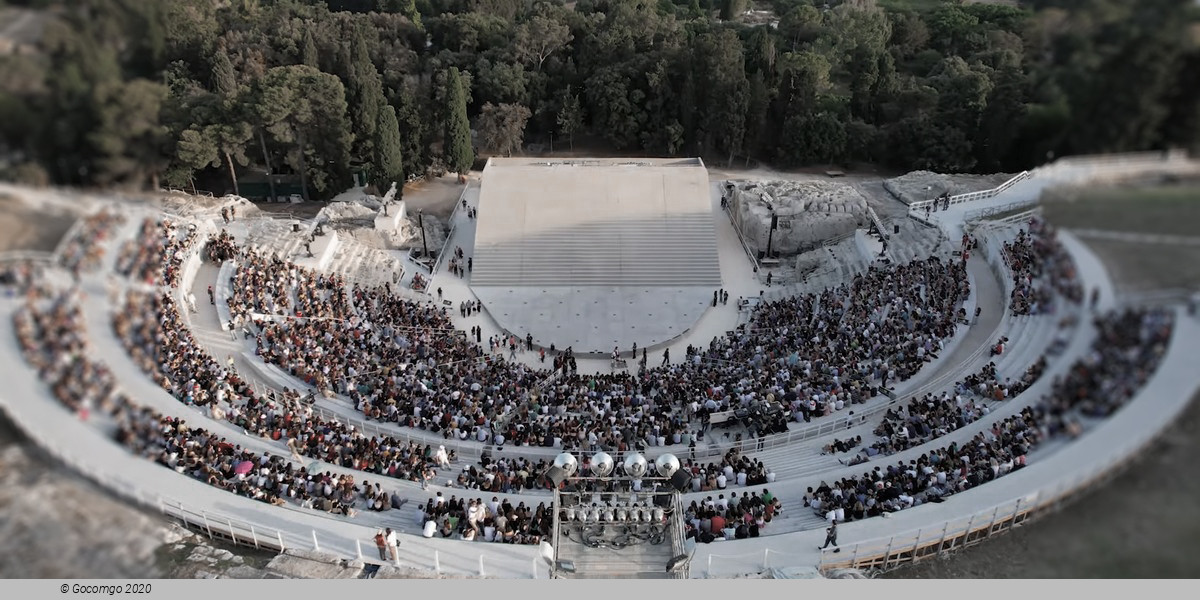
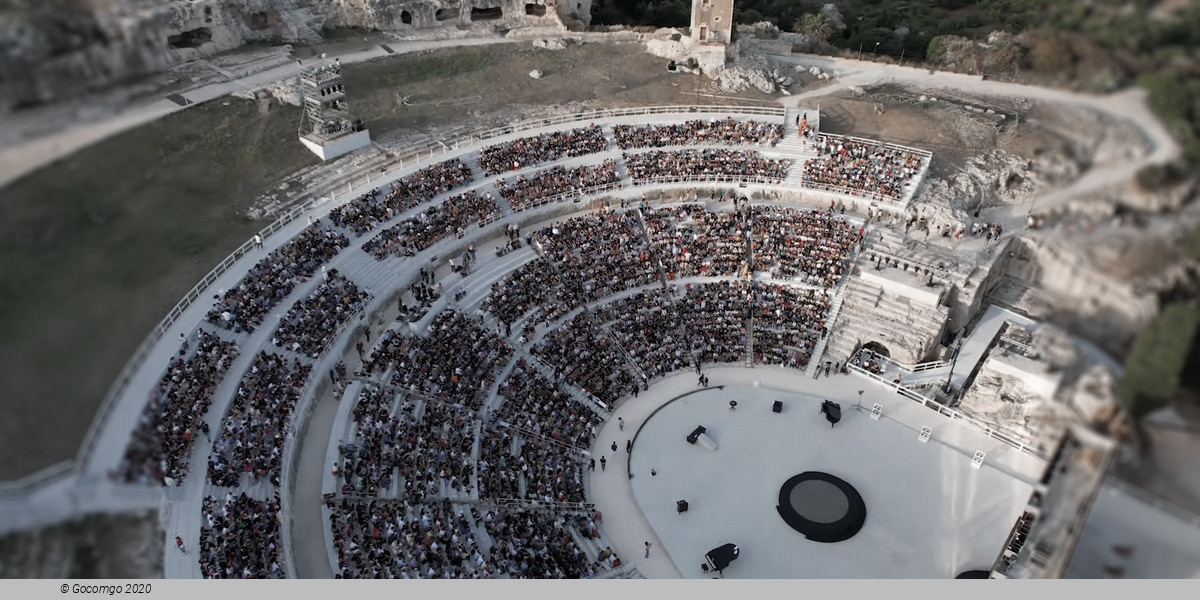
The Greek Theater of Syracuse Festival 2023 will take place at the Greek Theater from May 11 to July 2.
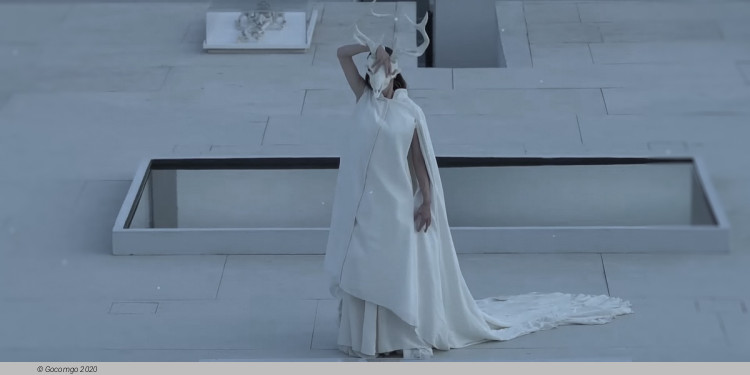
Zeus is in absolute conflict with men and with those who defend them, in Prometheus. The other hostile gods, Hephaestus and Hermes, appear on stage, Zeus does not. Distant or conflicting deities are also in Medea. The heroine invokes Justice, invokes Apollo, who did not allow women to express themselves with art “against the lineage of males”, until the Sun brings her to safety in the final scene. Medea is a tragedy essentially conducted in the absence of the gods, an absence however very different from that of Prometheus, who records attacks on a religious and celestial system, a system that does not exist here, the drama is all human.
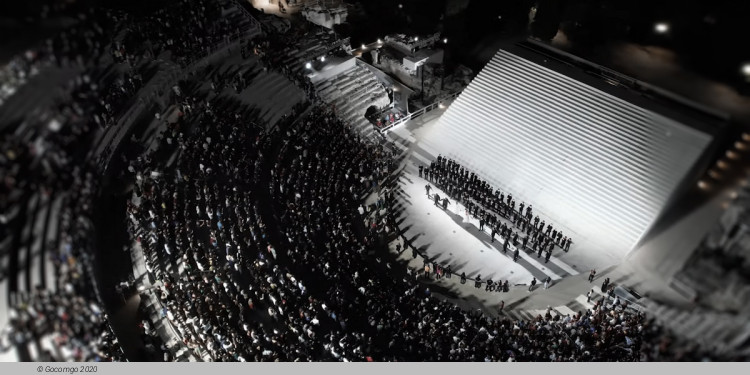
In Peace, the god Ermes supports Polemos (War) against any human attempt to recover Eirene (Peace) in the heavens, changing his mind only halfway through the comedy. Do gods hinder or help men? From the beginning, Olympus is hostile to them in these three ‘pièces’, written and set up in the space of half a century in Athens, from 460 B.C. (perhaps) of Prometheus to 431 B.C. of Medea and 421 B.C. of Peace.
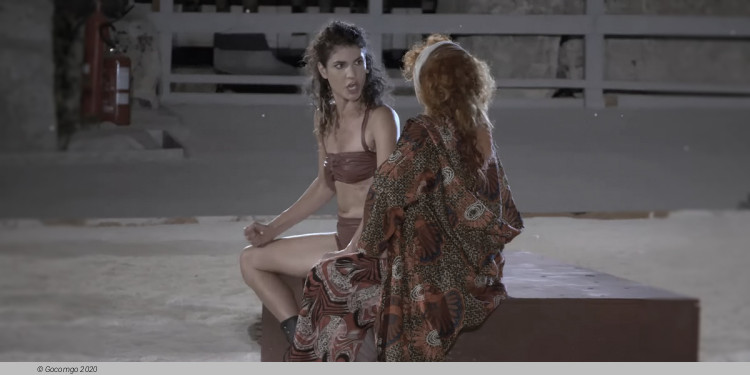
In the tragedy by Aeschylus, it is known that only gods and demigods act, with the sole exception of the cow Io, half woman and half beast. It’s the only case in all ancient drama. Zeus, however, eventually sinks the rebellious demigod into the belly of the earth, and their relationship remains unresolved, while Medea and Trigeo fly into the sky towards their targets. Both the two tragic protagonists and the comedian act with substantial ‘autonomy’, the laws that motivate them are their laws, not the Olympic ones. So much so that a tragedy and the comedy, Prometheus and Peace, seem to be one parody of the other. Prometheus steals something that men didn’t have, fire. Trigeo recovers what was stolen from men, peace. Prometheus is saved because he knows the secret of Zeus, Trigeo because he knows a plot against the Gods (vv 403-404).
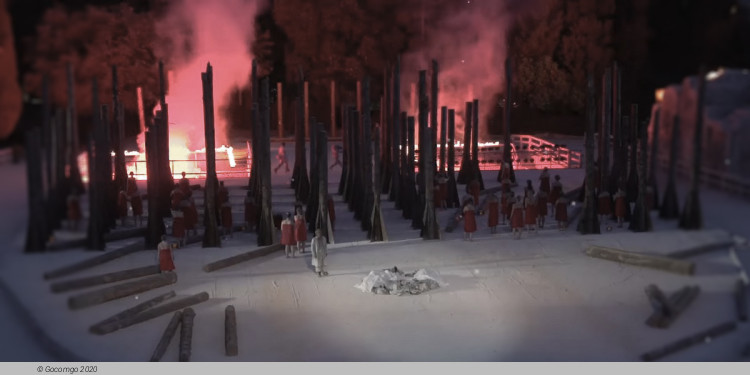
About the Greek Theatre of Syracuse Festival
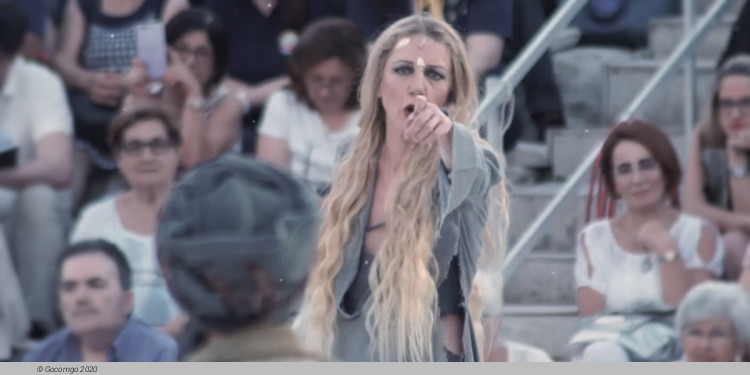
The classical plays in Siracusa have been forged by the words of the great tragedians of the past and the faces, voice and gestures of artists that left their footprint in history. The art of theatre and the emotions staged every year by the classical plays “in the most important classical theatre in Europe by far” come to life thanks to more than 400 people representing the core of INDA: its craftsmen, who create scenes and costumes in the tailoring and scenography labs of the National Institute of Ancient Drama and take care of the theater every year.
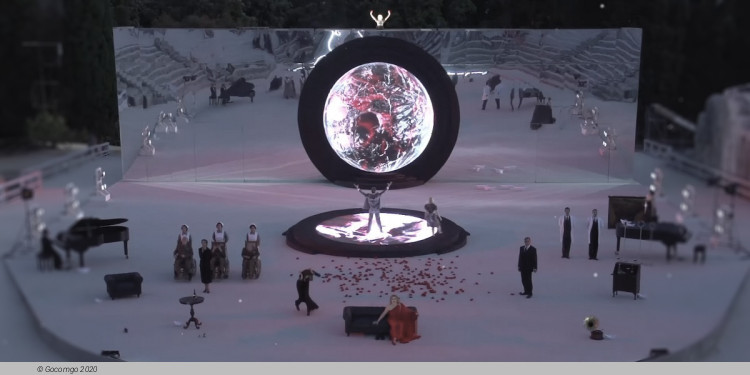
The Greek Theater has seen world-famous actors like Vittorio Gassman, Annibale Ninchi, Elena Zareschi, Valeria Moriconi, Salvo Randone, Glauco Mauri, Elisabetta Pozzi, Lucilla Morlacchi, Giorgio Albertazzi, Ugo Pagliai and Piera degli Esposti, and renowned directors such as Irene Papas, Krzysztof Zanussi, Mario Martone, Orazio Costa, Antonio Calenda, Luca Ronconi, Peter Stein. Artists and intellectuals such as Pier Paolo Pasolini, Edoardo Sanguineti, Salvatore Quasimodo, Vincenzo Consolo, Dario Del Corno, Guido Paduano, Maria Grazia Ciani, Umberto Albini and Giovanni Cerri have translated or re-wrote the words of the great tragedians.
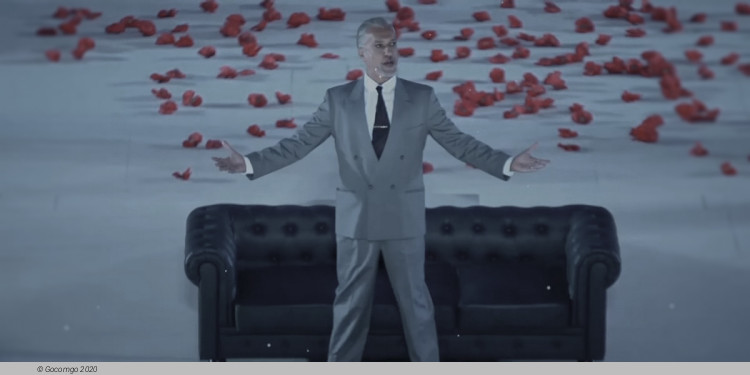
A timeless celebration in a theatre, which is unique in the whole world, and where the show has been going on for a century. Making Siracusa the center of an event, giving life back to ancient drama and delivering it to ever-changing point of views: from this intuition of Count Mario Tommaso Gargallo INDA was created in 1913. A meeting between aristocrats and wealthy people organized by the nobleman from Siracusa, launches a bet that on the 16th of April 2014, 2.400 years after the Polis, brings back the classical plays at the Greek Theater and that, ever since, has seen the greatest artists of the Italian and international scene performing in front of thousands of spectators from May to July. Eschilo’s Agamemnon is the first staged play with the artistic direction, translation and music by Ettore Romagnoli, scenery by Duilio Cambellotti and costumes by Bruno Puozzo.
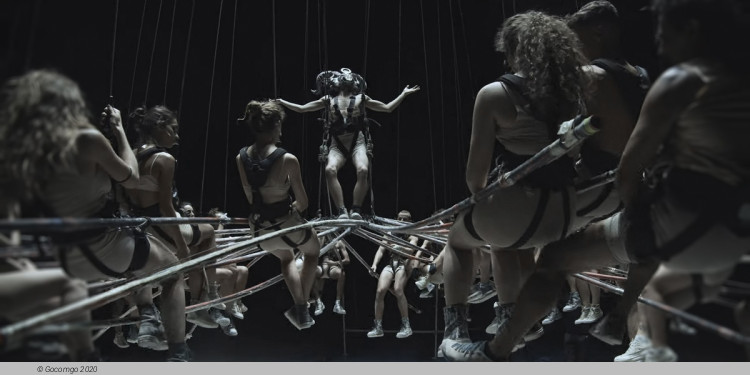
Eschilo’s work was the first step to the path traced by INDA, that in over a century unfolded through mythical characters like Medea, Edipus and Antigone and witnessed, in 1927, the debut of comedy with “The Clouds” by Aristophanes.
As classical plays at the Greek Theater in Siracusa renew each year, the memory of the event that takes by the hand thousands of spectators from all over the world is kept inside the INDA archive.
The archive, declared by the Regional Archive Superintendence of particularly important historical interest, collects a broad variety of documents, images, sketches and materials.
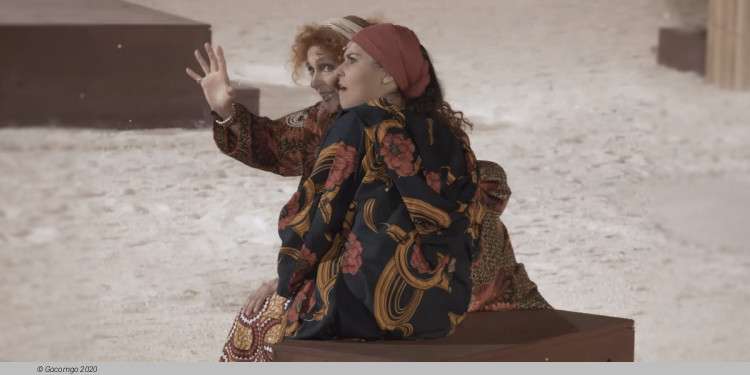
In the INDA headquarters, Palazzo Greco, it is possible to access a literary, documental and artistic heritage: a relevant resource for an historical study of the setup in the open air theater, the great themes of the classical tradition, but also a starting point for a reflection on the legacy of the Ancient in the contemporary world. The activities of INDA, which in 1998 became a Foundation, go beyond the classical plays at the Greek Theater in Siracusa, the International Festival of Young Classical Theater in Palazzolo Acreide and the Academy of Art of Ancient Drama. They also include events, meetings and debates organization in Italy and abroad. Since 1931, Dioniso, a magazine on ancient drama studies has been published and is today directed by Guido Paduano. Connected to the scientific activity of the magazine, is the publishing of “Dioniso’s workbooks”, that collect the Acts of the Conventions organized by INDA and monographies on themes of classical theater and its renaissance in modern age.