
Winter Garden Theatre tickets 11 November 2027 - Evita | GoComGo.com

Evita

Winter Garden Theatre, New York, USA
All photos (9)
Select date and time
7 PM
From
US$ 255

E-tickets: Print at home or at the box office of the event if so specified. You will find more information in your booking confirmation email.

You can only select the category, and not the exact seats.
If you order 2 or 3 tickets: your seats will be next to each other.
If you order 4 or more tickets: your seats will be next to each other, or, if this is not possible, we will provide a combination of groups of seats (at least in pairs, for example 2+2 or 2+3).

Important Info
Type: Musical
City: New York, USA
Starts at: 19:00
Duration: 2h 25min

E-tickets: Print at home or at the box office of the event if so specified. You will find more information in your booking confirmation email.

You can only select the category, and not the exact seats.
If you order 2 or 3 tickets: your seats will be next to each other.
If you order 4 or more tickets: your seats will be next to each other, or, if this is not possible, we will provide a combination of groups of seats (at least in pairs, for example 2+2 or 2+3).

Overview

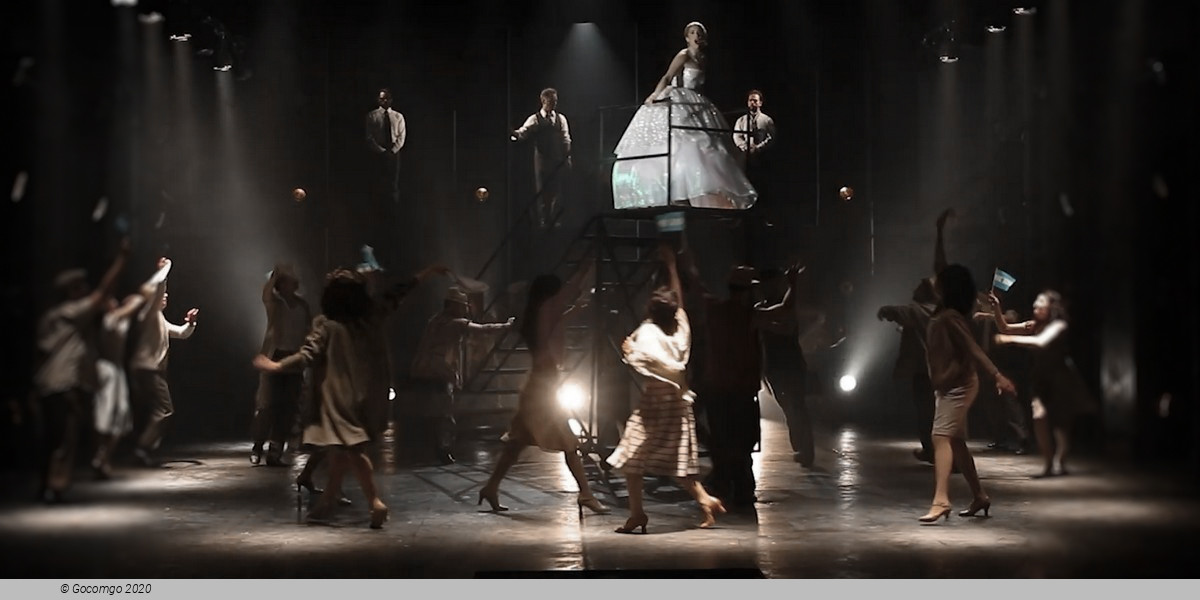
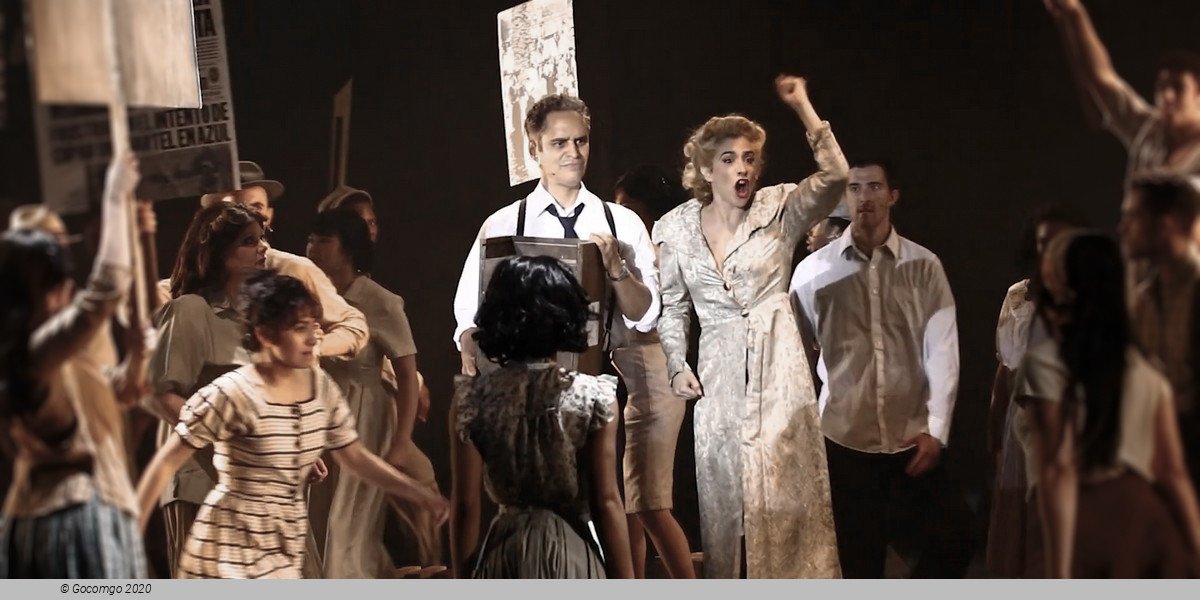
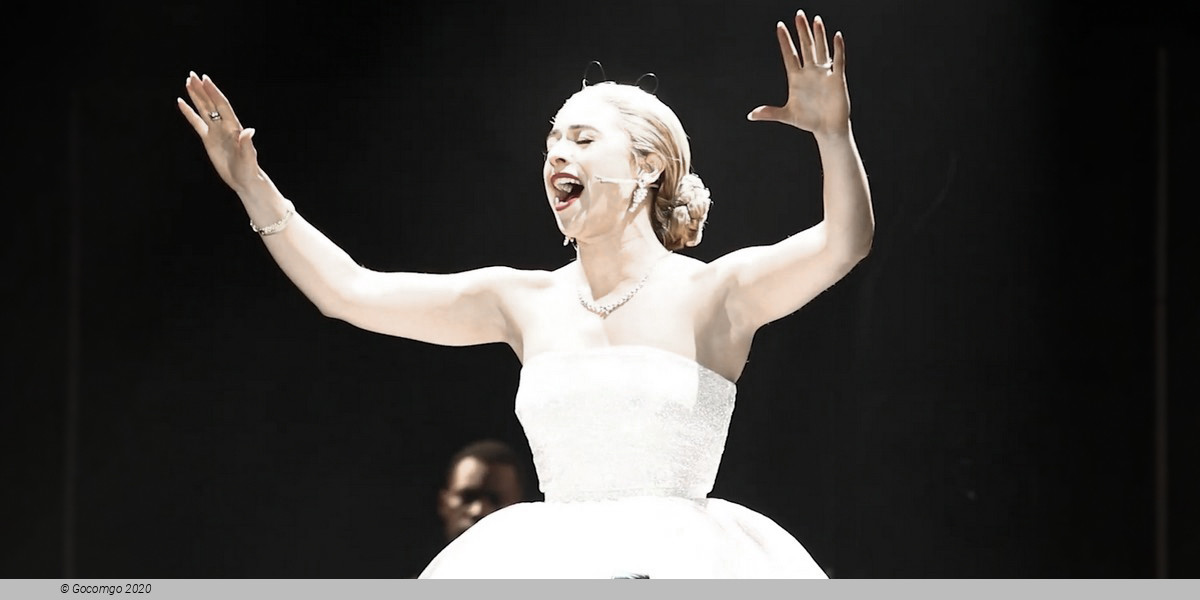
Evita is a celebrated musical by Andrew Lloyd Webber and Tim Rice about Eva Perón, the iconic First Lady of Argentina. The story follows Eva’s rise from poverty to political power, her relationship with President Juan Perón and her influence on the Argentine people. Directed by Jamie Lloyd and starring Rachel Zegler, this Broadway revival explores ambition, fame, devotion and the complicated legacy of one of the twentieth century’s most controversial figures.

Evita is the acclaimed musical by Andrew Lloyd Webber and Tim Rice, telling the dramatic life story of Eva Perón, Argentina’s influential First Lady. Born into poverty, Eva Duarte leaves her provincial home and travels to Buenos Aires, where she begins a career as an actress and gradually builds a public profile.

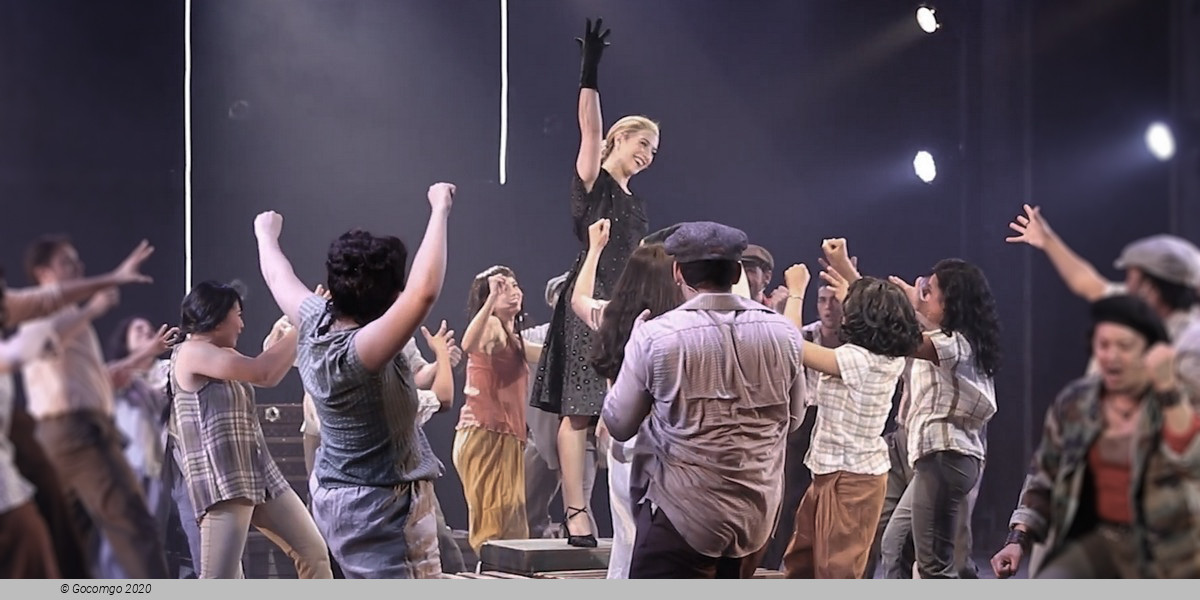
Her life changes when she meets Colonel Juan Perón. Their relationship develops alongside his rise in Argentine politics, and after his election as president, Eva becomes a powerful public figure. Through her charitable foundation and political activities, she develops a close relationship with the country’s working class and becomes an emblem of hope and social advancement.

At the same time, the musical examines the controversies surrounding her public image, political influence and carefully constructed celebrity. Narrated by Che, the story moves between Eva’s personal ambitions, her relationship with Perón and the wider political events of Argentina.

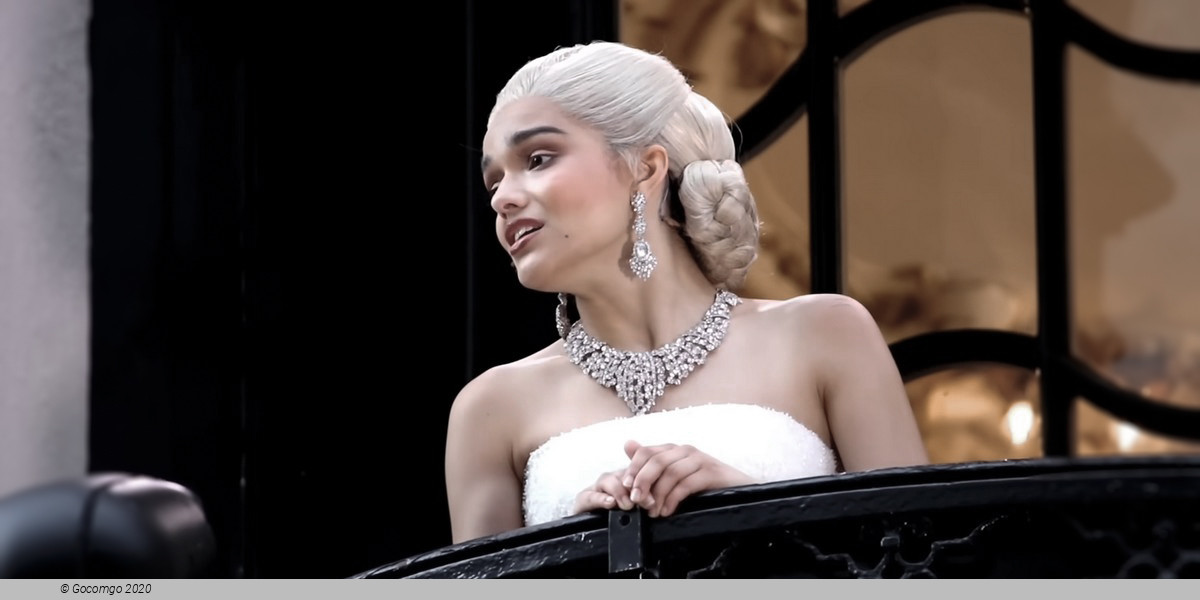
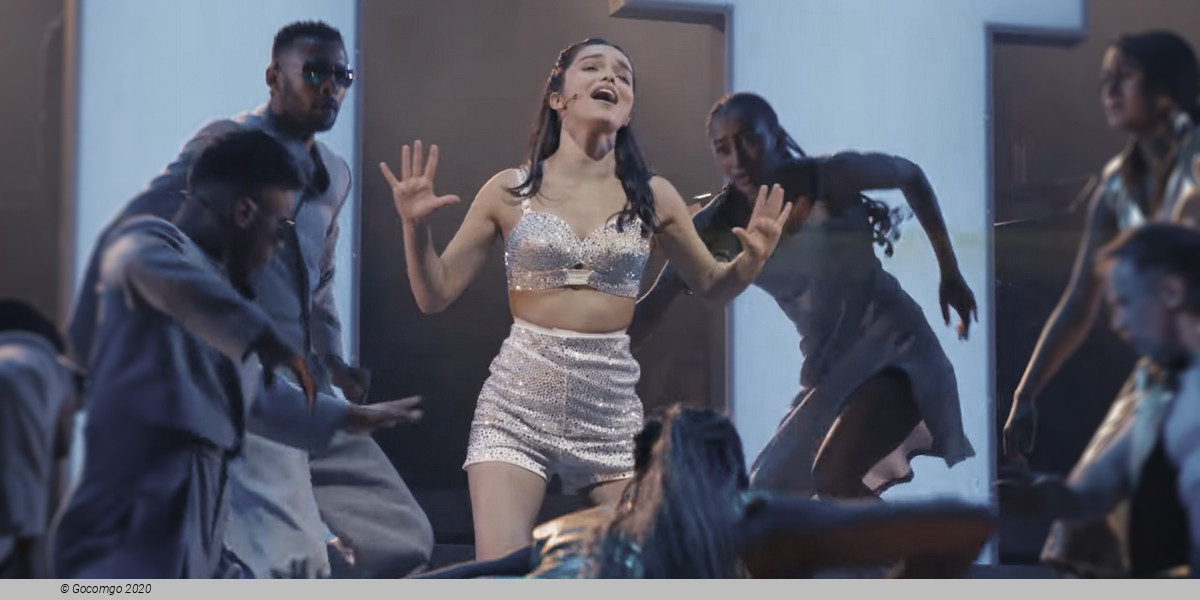
Directed by Jamie Lloyd, the Broadway revival stars Rachel Zegler as Eva Perón. The production follows Lloyd’s acclaimed London staging and brings Webber and Rice’s celebrated score back to New York.

History
Premiere of this production: 21 June 1978, Prince Edward Theatre, London

Evita is a sung-through musical with music by Andrew Lloyd Webber and lyrics by Tim Rice. It concentrates on the life of Argentine political leader Eva Perón, the second wife of Argentine president Juan Perón. The story follows Evita's early life, rise to power, charity work, controversies, and death. The musical began as a rock opera concept album released in 1976. Its success led to productions in London's West End in 1978, winning the Laurence Olivier Award for Best Musical, and on Broadway a year later, where it was the first British musical to receive the Tony Award for Best Musical.

Synopsis

Act I

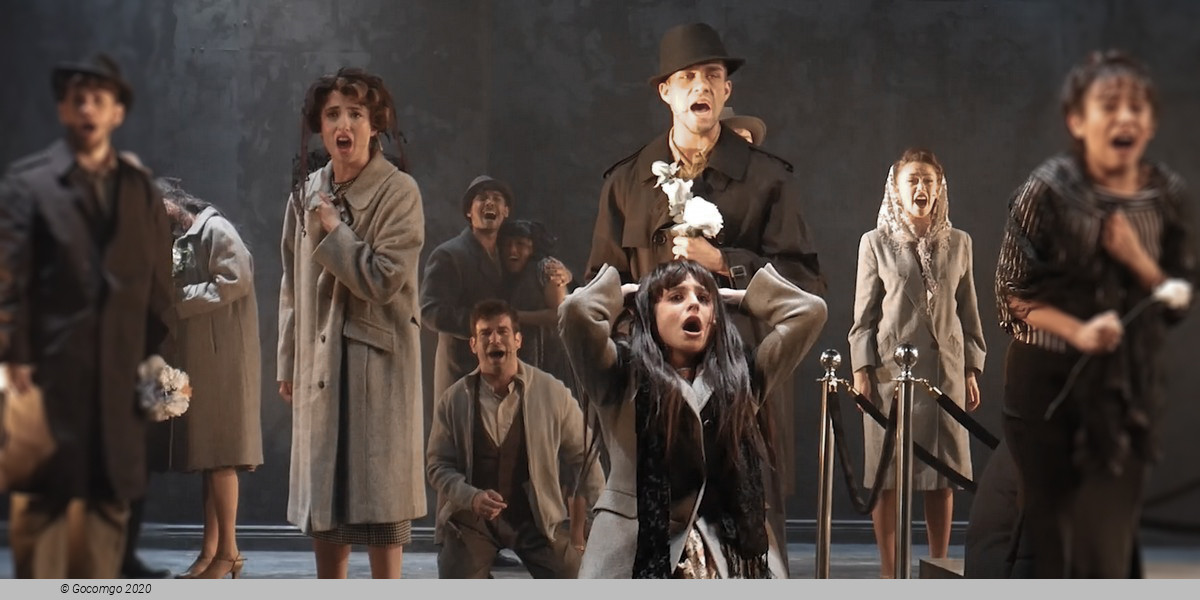
On 26 July 1952, a crowd in a Buenos Aires, Argentina theatre is watching a movie ("A Cinema in Buenos Aires, 26 July 1952") that is interrupted when news breaks of the death of First Lady Eva Perón. Both the crowd and the nation go into a period of public mourning ("Requiem for Evita") as Che, a member of the public, marvels at the spectacle and promises to show how Eva did "nothing for years" ("Oh What a Circus").

In 1934, 15-year-old Eva Duarte lives in the city of Junín, and longs to seek a better life in Buenos Aires. Eva takes up with a tango singer-songwriter, Agustín Magaldi, after she meets him at one of his shows ("On This Night of a Thousand Stars"). Eva persuades an initially resistant Magaldi to take her with him to Buenos Aires ("Eva, Beware of the City"). Upon her arrival in the city, Eva sings about her hopes and ambitions of glory ("Buenos Aires").

After her arrival, Eva is quick to leave Magaldi and pursue other romantic connections to climb up the social ladder ("Goodnight and Thank You"). Che tells of both a left-wing coup in 1943 and Eva's success, implying that Argentine politics and Eva's career may soon coincide. Che also makes a point to introduce the figure of Colonel Juan Domingo Perón, an ambitious army colonel making his way up the Argentine political ladder ("The Lady's Got Potential"). Perón and other military figures compete for power and exhibit their political strategy, with Perón rising above the pack ("The Art of the Possible").

After a massive earthquake hits the town of San Juan, Perón organizes a charity concert at Luna Park to provide aid to the earthquake's victims, which Eva attends. Perón's rousing speech is well-received by the crowd ("Charity Concert"). Eva introduces herself to Perón and they share a secret rendezvous following the charity concert, where Eva hints that she could help Perón rise to power ("I'd Be Surprisingly Good For You"). Eva dismisses Perón's unnamed mistress, who ponders the rejection and her fate ("Another Suitcase in Another Hall").

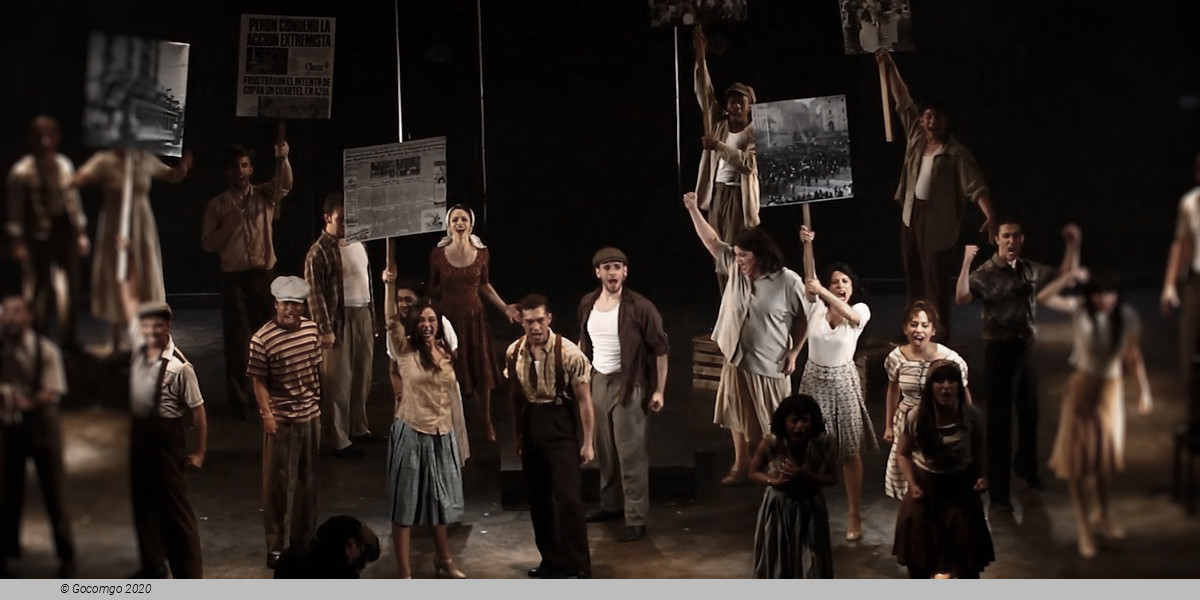
Upon moving in with Perón, Eva is introduced to high society only to be met with disdain from the upper classes and the Argentine Army ("Perón's Latest Flame"). In 1946, after launching his presidential bid, Perón discusses his chances of winning the election with Eva. After reassuring him of their chances of winning, Eva organizes rallies for the descamisados (shirtless ones) and gives them hope for a better future while Perón and his allies plot to dispose of anyone who stands in their way ("A New Argentina").

Act II

Perón is elected President in a sweeping victory in 1946. He stands "On The Balcony of the Casa Rosada" addressing his descamisados. Eva speaks from the balcony of the Presidential Palace to her adoring supporters, where she proclaims that despite her elevated status, her heart remains with the people of her country ("Don't Cry for Me Argentina"). Che analyses the price of fame as Eva dances at the Inaugural Ball with Perón, now the president-elect ("High Flying, Adored").

Eva insists on a glamorous image to impress the people of Argentina and promote Peronism. She prepares to tour Europe as she is dressed for success by her fashion consultants ("Rainbow High"). Her famous 1947 tour meets with mixed results ("Rainbow Tour"); Spaniards adore her, but the Italians liken her husband to Benito Mussolini. France is impressed, and the British snub her by inviting her to a country estate, rather than Buckingham Palace. Eva affirms her disdain for the upper class, while Che asks her to start helping those in need as she made a promise ("The Actress Hasn't Learned the Lines (You'd Like to Hear)"). Eva begins the Eva Perón Foundation to direct her charity work. Che describes Eva's controversial charitable work and possible money laundering ("And the Money Kept Rolling In (And Out)").

Eva appears at a church to take the sacrament in front of her adoring supporters ("Santa Evita"), but passes out suddenly, and while unconscious, appears to have a dream that reflects upon the conflicting views of her life. In her dream, she and Che heatedly debate her actions; Che accuses Eva of using the Argentine people for her own ends, while Eva cynically replies that there is no glory in trying to solve the world's problems from the sidelines ("Waltz for Eva and Che"). At the end of the argument, Eva finally admits to herself and Che that she is dying and can't go on for much longer. Che points out the disastrous results of Perón's policies on Argentina: its treasury is bankrupt, its once-thriving beef industry is under rationing, and the press and other critics of the regime are muzzled.

Perón's generals finally get sick of Eva's meddling and demand that Perón force her to leave politics. However, Perón objects and claims that if it weren't for her, they would never have achieved as much as they have ("She Is a Diamond"). But he also concedes that she won't be able to keep working for long as she will soon succumb to her cancer. Even so, Eva is determined to run for Vice President, and Perón fears that the military will stage a coup if she runs and that Eva's health is too delicate for any stressful work, but Eva insists that she can continue, despite her failing health ("Dice Are Rolling/Eva's Sonnet").

Realizing she is about to die, Eva renounces her pursuit of the vice presidency and swears her eternal love to the people of Argentina ("Eva's Final Broadcast"). Eva's numerous achievements flash before her eyes before she dies ("Montage"), and she asks for forgiveness, contemplating her choice of fame instead of long reign ("Lament"). Evita dies, and embalmers preserve her body forever. Che notes a monument was set to be built for Evita but says "only the pedestal was completed, and Evita's body disappeared for 17 years."

Venue Info

Winter Garden Theatre - New York
Location   1634 Broadway

The Winter Garden Theatre is a Broadway theatre located at 1634 Broadway between 50th and 51st streets in Midtown Manhattan, New York City. Back to the Future: The Musical, the award-winning new musical based on Robert Zemeckis' hit 1985 movie arrives on Broadway, is scheduled to open at the theater in August 2023.

The structure was built by William Kissam Vanderbilt in 1896 to be the American Horse Exchange.

In 1911 the Shuberts leased the building and architect William Albert Swasey redesigned the building as a theatre. The fourth New York City venue to be christened the Winter Garden, it opened on March 10, 1911, with the early Jerome Kern musical La Belle Paree. The show starred Al Jolson and launched him on his highly successful singing and acting career. He played the Winter Garden many times after that.

The Winter Garden was completely remodeled in 1922 by Herbert J. Krapp. The large stage is wider than those in most Broadway houses, and the proscenium arch is relatively low. The building is situated unusually on its lot, with the main entrance and marquee, located on Broadway, connected to the 1526-seat Seventh Avenue auditorium via a long hallway, and the rear wall of the stage abutting 50th Street. When Al Jolson performed there, the Winter Garden had a runway built, going out into the audience, and Jolson would run out and slide on his knees while singing, and the audience, not used to such dynamic and close-up showmanship from a performer, would go wild.

The theatre's longest tenant was Cats, which opened on October 7, 1982 and ran 7,485 performances spanning nearly eighteen years. The auditorium was gutted to accommodate the show's junkyard setting, and, after the show's closing, architect Francesca Russo supervised its restoration, returning it to its 1920s appearance.

In its early days, the theatre frequently hosted series of revues presented under the umbrella titles The Passing Show, Artists and Models, and The Greenwich Village Follies. Following the 1932 death of Florenz Ziegfeld, the Shuberts acquired the rights to the name and format of his famed Ziegfeld Follies, and they presented the 1934 and 1936 editions of the Follies featuring performers such as Fanny Brice, Bob Hope, Josephine Baker, Gypsy Rose Lee, Eve Arden, The Nicholas Brothers, and Buddy Ebsen. It served as a Warner Bros. movie house from 1928 to 1933 and a United Artists cinema in 1945, but aside from these interruptions has operated as a legitimate theatre since it opened. Due to the size of its auditorium, stage, and backstage facilities, it is a house favored for large musical productions.

In 1974 Liza Minnelli appeared at the Winter Garden in a concert run that would win her a Tony Award for that year, honoring her successful sold-out run. A live album of the concert was released that year, and remastered and reissued in 2012.

In 2002, under an agreement between the Shubert Organization, which owns the theatre, and General Motors, it was renamed the Cadillac Winter Garden Theatre. At the beginning of 2007, the corporation's sponsorship ended and the venue returned to its original name.

On November 12, 2020, a 54-year-old man employed as a stagehand died after falling from a ladder.

Important Info
Type: Musical
City: New York, USA
Starts at: 19:00
Duration: 2h 25min
Top of page