A kaleidoscopic evening in which we can discover all the choreographic inventiveness of the great names in contemporary ballet.
Recorded music
The collaboration between Jiří Kylián and the Norwegian National Ballet goes back over thirty years. The company boasts almost twenty of his works in its repertoire. To celebrate this long professional association, the ballet and its director Ingrid Lorentzen are presenting this end-of-season programme entitled Celebrating Kylián, featuring no fewer than five works by the Czech choreographer.
Mémoires d’Oubliettes reflects on time, memory and forgetting. In the Middle Ages, oubliettes were tiny dungeons where people were imprisoned and condemned to oblivion. Kylián uses this metaphor to illustrate how memories can fade or become distorted.
Sweet Dreams is inspired by a painting by René Magritte. Here, Kylián explores the relationship between reality and illusion, creating a stage world governed by the logic of dreams. Set to music by Anton Webern, the work plays with perspective and proportions, embracing the absurd while maintaining an undercurrent of humour.
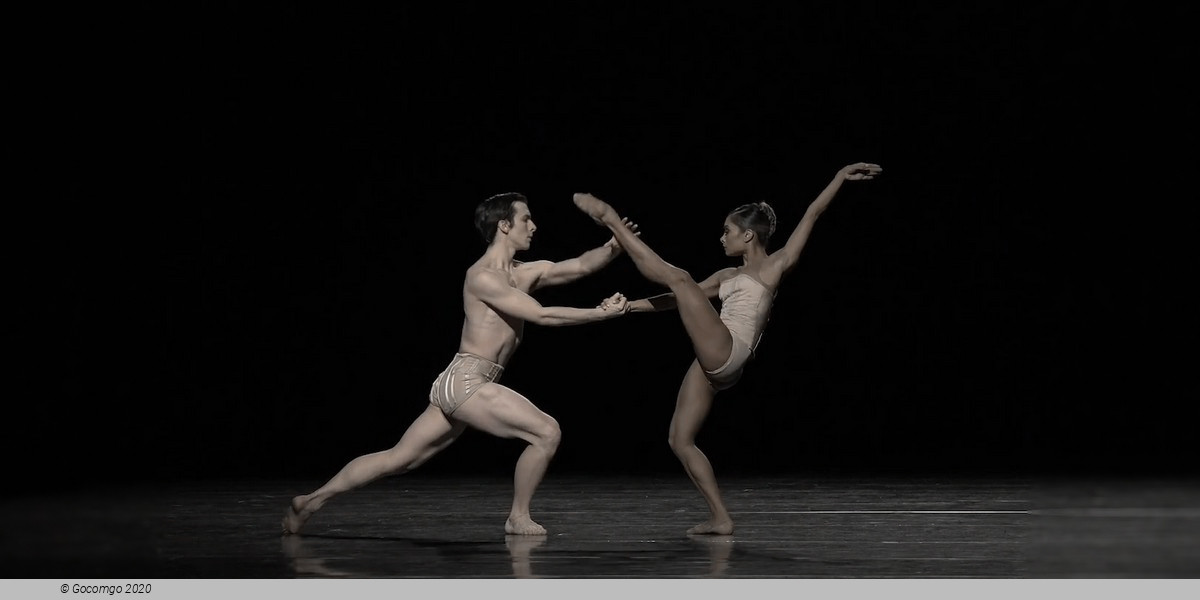
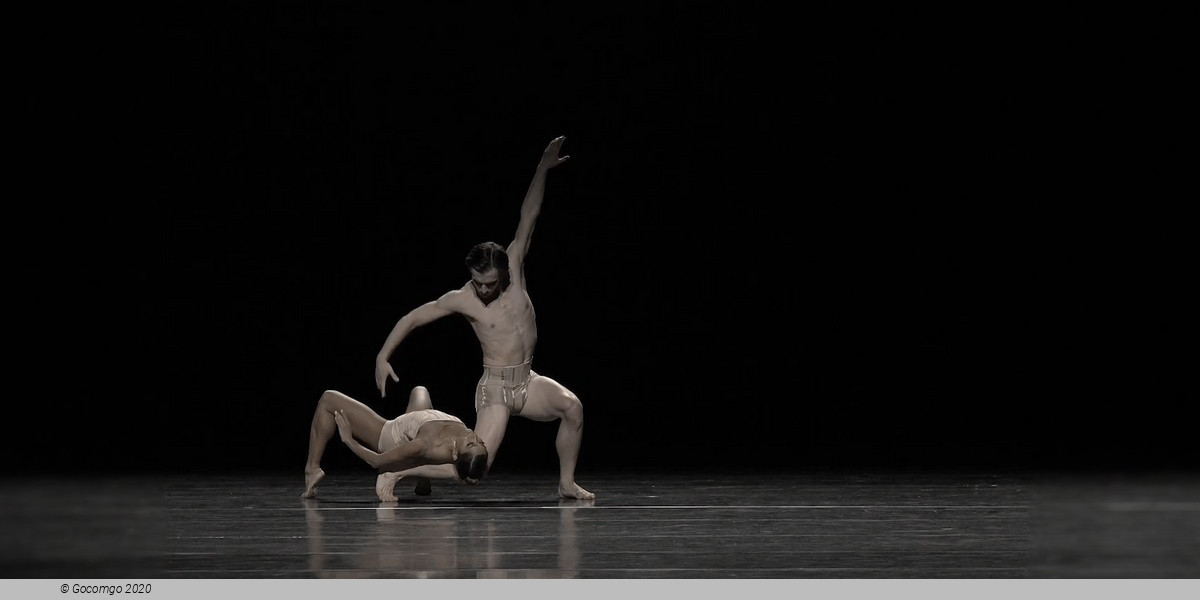
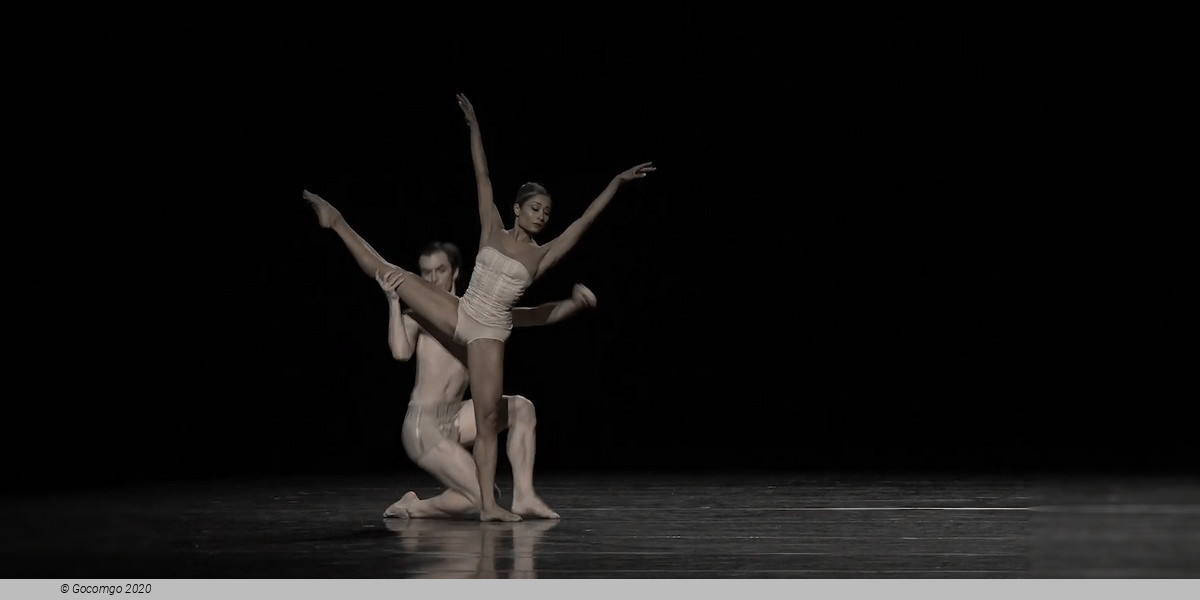
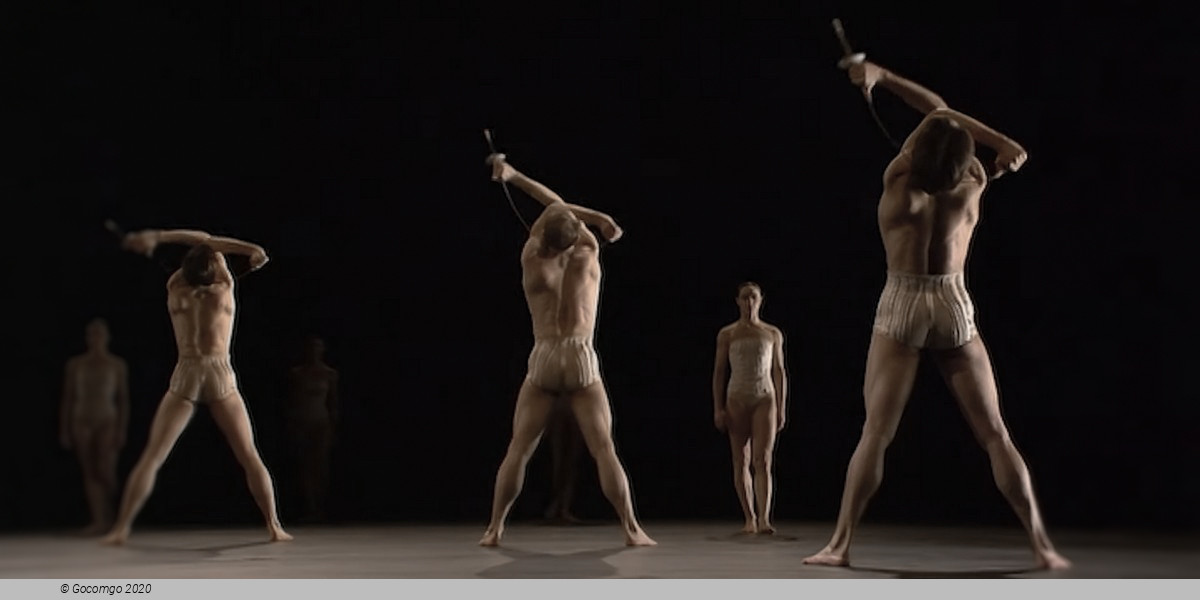
In Petite Mort (a French expression meaning orgasm), six women and six men alternate between duets and sequences evoking the eternal confrontation between Eros and Thanatos, set to excerpts from two of Mozart’s most popular piano concertos.
No More Play draws inspiration from a small sculpture by Alberto Giacometti: a slightly distorted board game made up of two wooden pieces shaped like human figures. “But as you begin to play this mysterious game, you learn its rules — sometimes too late,” Kylián himself explains.
The Renaissance painter Giuseppe Arcimboldo is famous for his extraordinary portraits composed of fruit, flowers and everyday objects. In Arcimboldo, Kylián brings together dozens of dancers in a playful, visually rich world infused with humour, absurdity and reflections on the cycles of life.
For his choreographic performance Petite Mort, Jiri Kilian, who is also called the “Picasso dance”, used two slow fragments from two of Mozart’s most famous concerts for piano. He deliberately cut out fast movements, leaving only slow music, helpless, like mutilated bodies, appearing to listeners and spectators. According to the choreographer himself, this is against all rules, but, nevertheless, it was decided to do just that. After all, the world around us is far from ideal and the rules are constantly violated. Jiri Kilian also decided to keep up with this general trend.
Indeed, since Mozart created his divine music, and to this day, many wars have occurred in the world, and rivers of blood have spilled under the “Bridge of Time”. In order to demonstrate male potency and a thirst for power (possession), swords were symbolically involved in the composition.
So, throughout our entire life, “Death” always accompanies us, sometimes it is “small” and sometimes “large”, but it is it that is our faithful companion from dawn to dusk of our life.




 15 Avenue Montaigne