
Theatre Royal Plymouth tickets 9 October 2027 - Hadestown | GoComGo.com

Hadestown

Theatre Royal Plymouth, Plymouth, England
All photos (7)
Select date and time
2:30 PM 7:30 PM
From
US$ 111

E-tickets: Print at home or at the box office of the event if so specified. You will find more information in your booking confirmation email.

You can only select the category, and not the exact seats.
If you order 2 or 3 tickets: your seats will be next to each other.
If you order 4 or more tickets: your seats will be next to each other, or, if this is not possible, we will provide a combination of groups of seats (at least in pairs, for example 2+2 or 2+3).

Important Info
Type: Musical
City: Plymouth, England
Starts at: 14:30

E-tickets: Print at home or at the box office of the event if so specified. You will find more information in your booking confirmation email.

You can only select the category, and not the exact seats.
If you order 2 or 3 tickets: your seats will be next to each other.
If you order 4 or more tickets: your seats will be next to each other, or, if this is not possible, we will provide a combination of groups of seats (at least in pairs, for example 2+2 or 2+3).

Overview

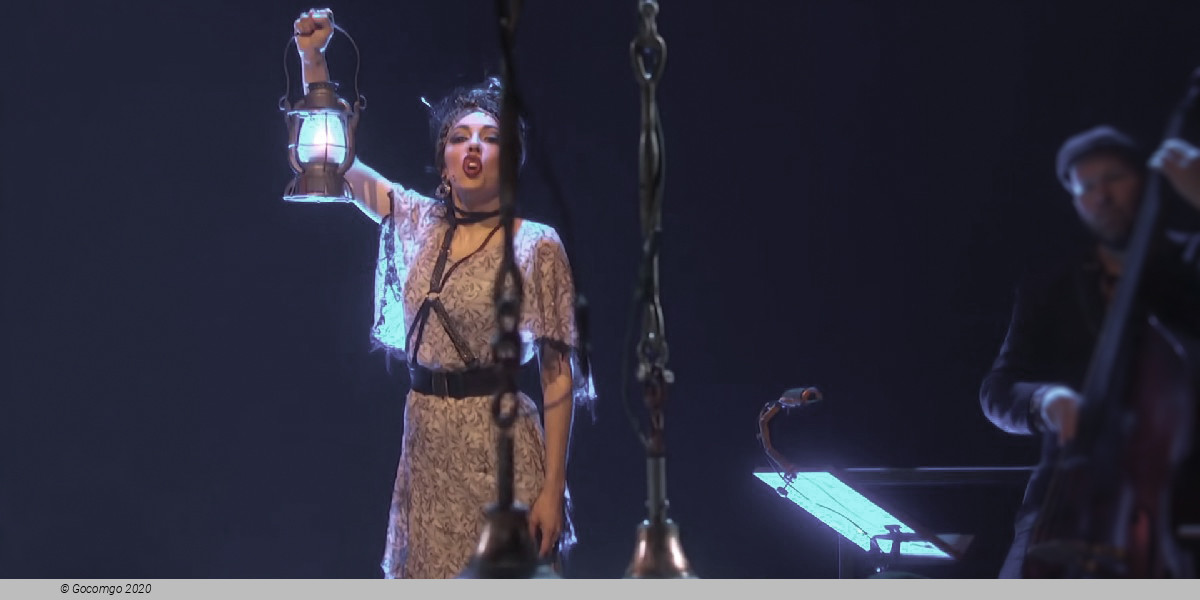
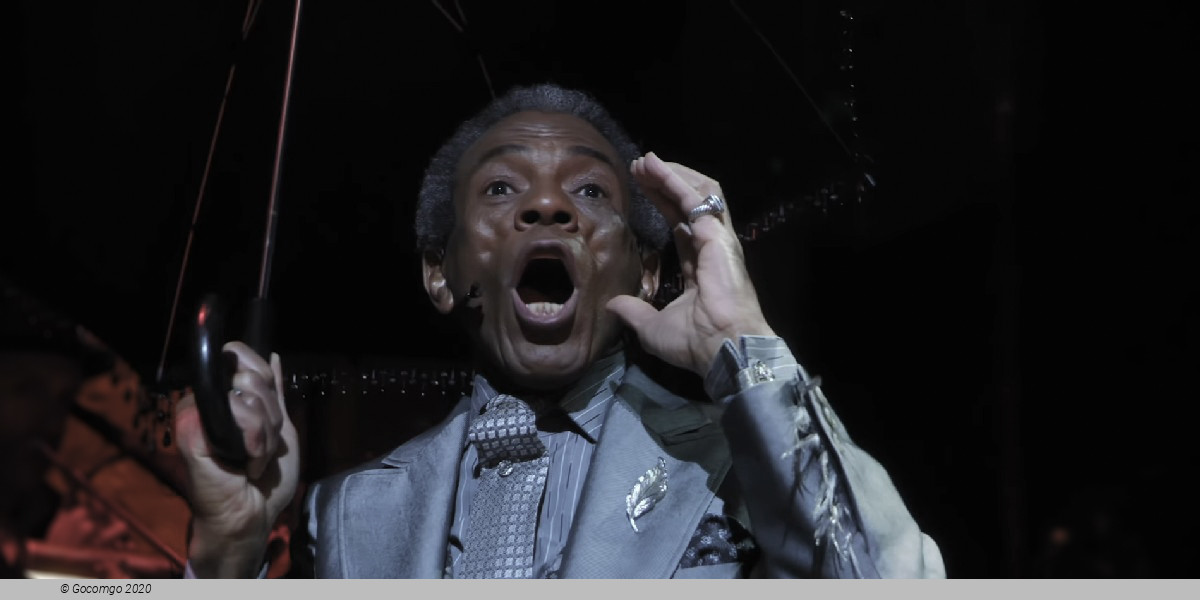
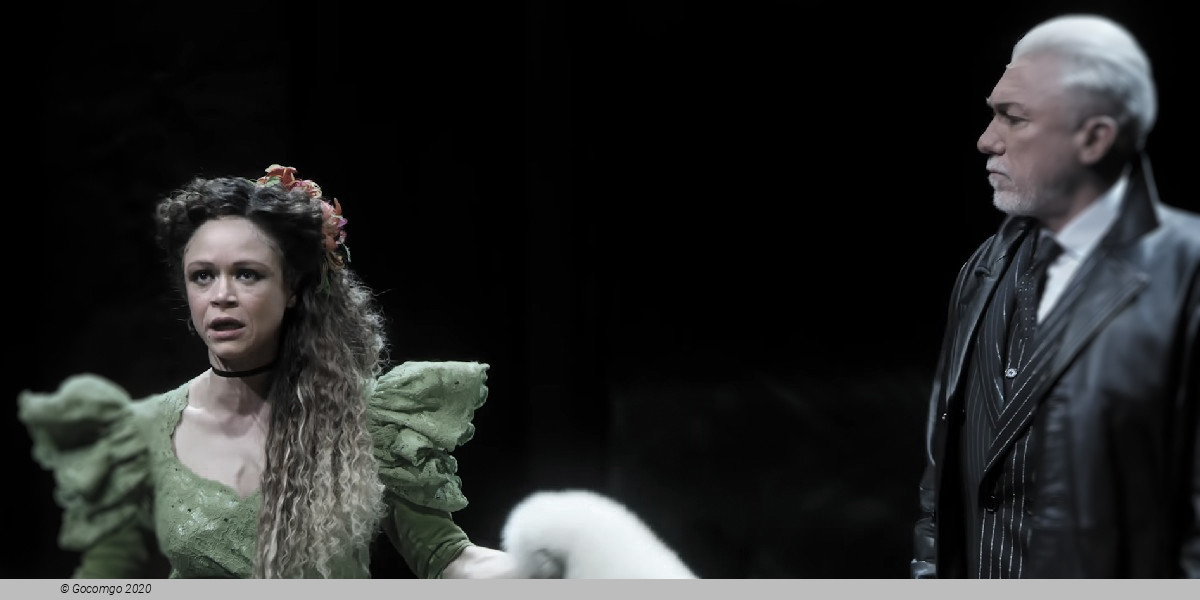
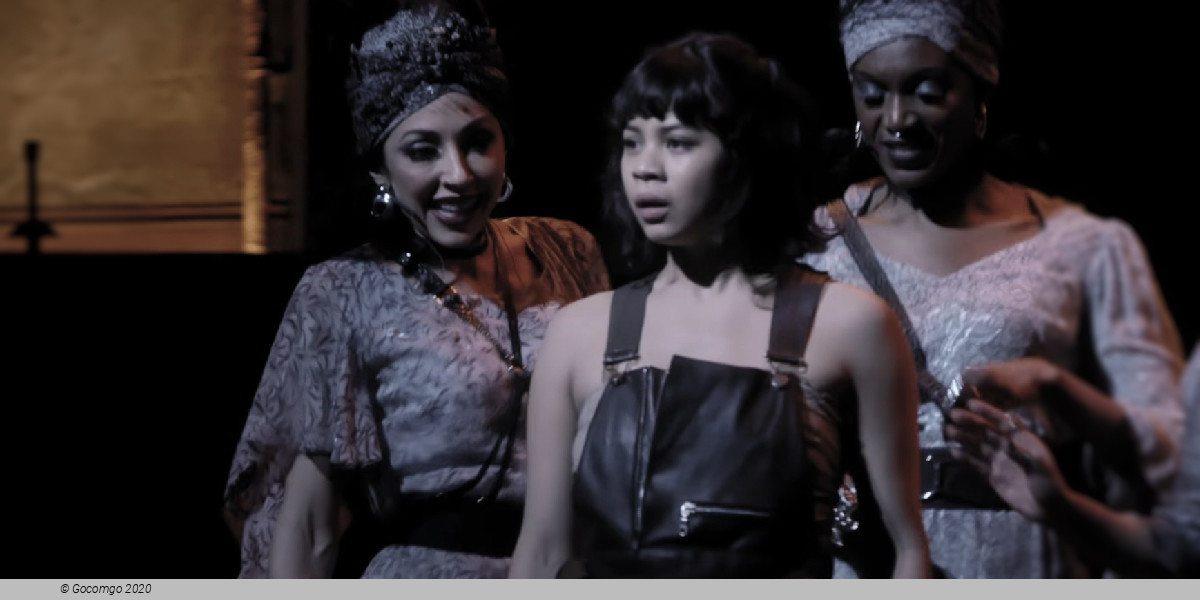
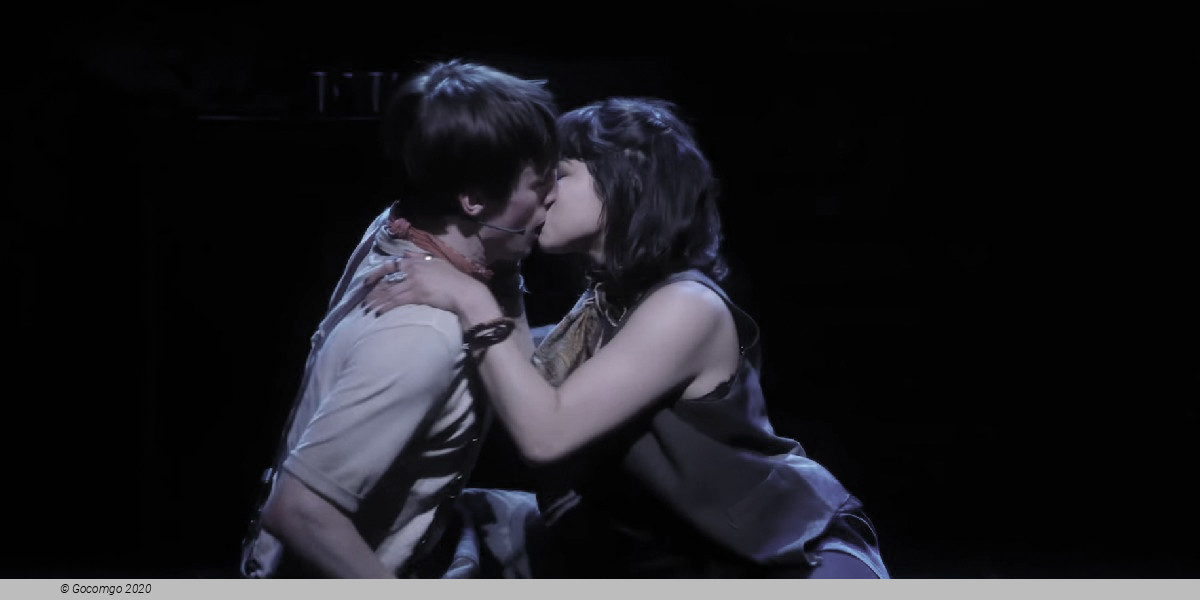
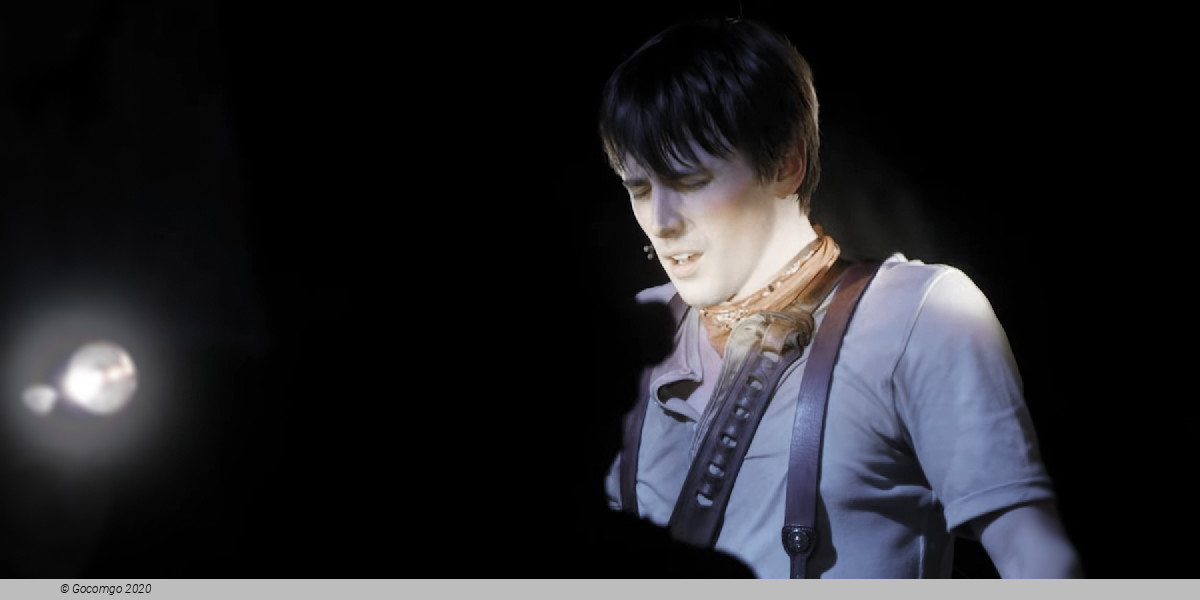
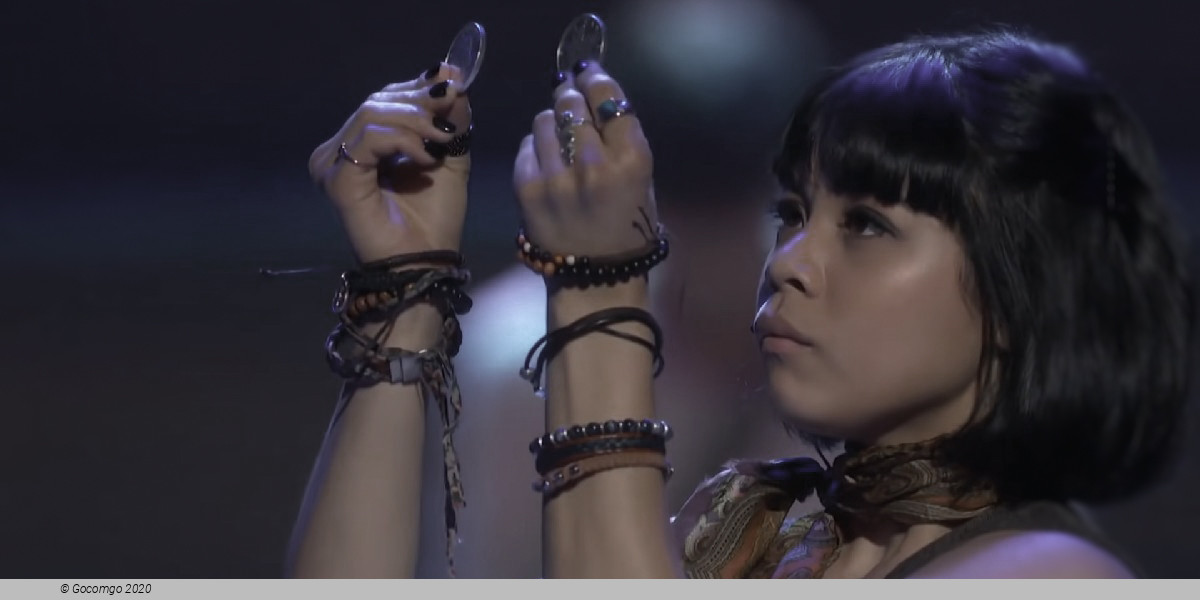
Welcome to Hadestown, where a song can change your fate.  The acclaimed Broadway musical phenomenon by singer-songwriter Anaïs Mitchell and director Rachel Chavkin, is now playing at the Lyric Theatre.  ‘An epic celebration of music, togetherness and hope’ (Forbes), Hadestown is the winner of 8 Tony Awards® including Best Musical and the Grammy Award® for Best Musical Theatre Album.  Take an unforgettable journey to the underworld and back, intertwining two mythic love stories – that of young dreamers Orpheus and Eurydice, and that of King Hades and his wife Persephone.  A deeply resonant and defiantly hopeful theatrical experience, the show invites you to imagine how the world could be.

History
Premiere of this production: 30 November 2005, Barre, Vermont, USA

Hadestown is a musical with music, lyrics and book by Anaïs Mitchell. It tells a version of the ancient Greek myth of Orpheus and Eurydice, where Orpheus goes to the underworld to rescue his lover, Eurydice.

Synopsis

Act I

The story begins with the Greek God, Hermes, introducing the characters (“Road to Hell”). This is followed by the Fates and Eurydice describing the harsh weather and famine of the setting (“Any Way the Wind Blows”). Orpheus, Hermes’s ward, introduces himself to Eurydice and asks her to marry him (“Come Home With Me”). Eurydice, however, is doubtful, since they both live in poverty. Orpheus tells her that he is writing a song to make spring come again, and they will no longer have to struggle (“Wedding Song”)

Orpheus sings the story of Hades and Persephone (“Epic I”). Persephone arrives in the world above and celebrates summertime (“Livin’ it up on Top”), while Eurydice truly begins to fall in love with Orpheus (“All I’ve Ever Known.”). Hades comes early to collect Persephone, and she voices her misery of having to return to Hadestown, Hades’ underground factory. Despite hearing about the never-ending labor endured by the factory workers, Eurydice is intrigued by the rich praises sung by the Fates as well as the promise of protection that Hadestown offers (“Way Down Hadestown”). Without Persephone, the long winter returns and Eurydice searches for food and firewood, urging Orpheus to finish his song (“A Gathering Storm”). Orpheus continues working on his song (“Epic II”), while Persephone and Hades argue (“Chant”).

Hades leaves his factory to find someone who will appreciate its safety and security. He comes across a desperate Eurydice, and invites her to come to Hadestown (“Hey, Little Songbird”). The Fates appear and urge Eurydice to join him (“When the Chips are Down”). With the cold surging on, and Orpheus’s song remaining uncompleted, Eurydice sees no other option except to follow Hades. She sings her goodbyes to Orpheus before disappearing. (“Gone, I’m Gone”). Orpheus discovers Eurydice’s disappearance, and becomes determined to rescue her from Hadestown. He sets off on his journey using Hermes’ instructions on how to get there without the use of Hades’ train (“Wait for Me”). Eurydice arrives in Hadestown and signs the contract, officially becoming a worker. (“Why We Build the Wall”).

Act II

An entr'acte reveals that Persephone is bypassing Hades’ laws by selling wind, rain, and sunshine to the workers (“Our Lady of the Underground"). Eurydice begins to realize the consequences of her choice to go to Hadestown: she will soon become a mindless laborer and can never leave unless Hades consents to let her go (“Way Down Hadestown (Reprise)"). She sings of her regrets as her memories of the world above slowly begin to fade (“Flowers”).

Orpheus arrives in Hadestown, and promises Eurydice that he will take her home with him. While Eurydice is relieved, she explains to Orpheus that she is not able to leave (“Come Home with Me (Reprise)"). Orpheus does not understand, until Hades appears and reveals to him that Eurydice willingly signed the contract (“Papers”). The workers then attack Orpheus and the Fates tell him to give up hope (“Nothing Changes”). Despite almost giving up, Orpheus vows to find a way to free Eurydice, rallying up the workers and opening their eyes to the true horrors of Hadestown (“If It’s True”).

Persephone is inspired by Orpheus’ determination and urges Hades to let Eurydice go (“How Long”). While the workers begin to truly question the amount of freedom they have, Hades bitterly offers Orpheus a chance to sing his completed song, threatening to kill him afterwards (“Chant (Reprise)"). Orpheus sings his song, reminding Hades of his love for Persephone (“Epic III”). The two gods reconcile through a dance, after which Orpheus and Eurydice promise to stay together no matter how hard (“Promises”). Orpheus asks Hades if they may leave, and Hades tells him that he has not reached a decision. The Fates taunt him for his dilemma: If he kills Orpheus and keeps Eurydice captive, they become martyrs, but if he lets them go, he loses control over his workers as they have begun to agitate for their freedom (“Word to the Wise”). Hades decides to let them go on one condition: Orpheus must lead them out. If he turns to confirm that Eurydice is following him, she will be condemned to stay in his factory forever (“His Kiss, the Riot”).

Hermes explains the condition to Orpheus and Eurydice, and they begin heading out with the workers looking to them for hope, while Persephone and Hades decide to give their relationship another chance (“Wait for Me (Reprise)"). Orpheus makes it up to the end, where he is overcome by doubt and turns around, sending Eurydice back to Hadestown (“Doubt Comes In”). Hermes reflects on the somber tale and why it must be told. (“Road to Hell (Reprise)"). After the bows at curtain call, the cast raises a cup to honor Orpheus (“We Raise Our Cups”).

Venue Info

Theatre Royal Plymouth - Plymouth
Location   Royal Parade, Plymouth PL1 2TR, United Kingdom

Theatre Royal, Plymouth, is a theatre venue in Plymouth, Devon. It consists of a 1,300-seat main auditorium, The Lyric, which regularly hosts large-scale musicals, opera and ballet; a 200-seat studio, The Drum; and a 50-seat studio, The Lab. On a separate site, Theatre Royal Plymouth also has a production and learning center, TR2, featuring rehearsal studios and workshops for the production of sets and costumes.

History

In 1758 a theatre was built at the top of George Street in Plymouth. Originally known as the Theatre, Frankfort-Gate, it adopted the name Theatre Royal after King George III and his family visited it in 1789.

In 1810 Plymouth Corporation held a competition for the design of a new theatre, hotel and assembly rooms at the bottom of George Street. The competition was won by John Foulston, who built a neo-classical block of buildings between 1811 and 1813. The new Theatre Royal opened in 1813 and could seat 1,192. Foulston's buildings formed a frontage of 268 feet (82 m) facing George's Place that was dominated by a portico with 30-foot (9.1 m)-high ionic columns. The theatre was on the west side of this portico, with the hotel and assembly rooms on the east. Foulston used thick walls to separate the auditorium from the foyer, corridors and the hotel next door to minimize the risk of fire damage. The whole inner structure was built of cast iron for the same purpose, and Foulston believed it was the only fireproof theatre in the country. Despite these precautions, the theatre suffered a disastrous interior fire in June 1878; by January 1879 it had been repaired and reopened.

The decline in theatre-going caused by the rise in cinema attendance resulted in the building being demolished in 1937. It was replaced by the 2,400-seat Royal Cinema, which opened the following year. The cinema survived the Plymouth Blitz during the Second World War, which destroyed the adjoining hotel and assembly rooms. By 1954 the decline in cinema-going caused by the rise of television led to the cinema's being partly converted back to a theatre and rechristened as the Theatre Royal Cinema. In 1958 it was renamed the ABC Plymouth. It was converted to a triple-screen ABC which opened on 5 May 1977. ABC Cinemas passed to the Cannon Group, then to MGM from 22 May 1992. A management buy-out brought the name ABC back again in the mid-1990s. From 1 August 2006, it was operated by the independent Reel Cinemas chain. The Reel Plymouth Cinema finally closed its doors on Thursday 28 February 2019.

On a different site, the current Theatre Royal was designed in 1977 by the Peter Moro Partnership, which had already designed a number of new theatres around the country. The building started in 1979 and the theatre was officially opened on 5 May 1982 by Princess Margaret.

The Lyric (the main auditorium)

The Lyric seats 1,315 but has a unique ability to compress the auditorium, creating a more intimate performance space of 787. It has a steep auditorium with two galleries and a very large proscenium arch. The range of work presented and produced is extensive and includes major touring drama and musical productions, as well as leading opera and dance companies (including the Birmingham Royal Ballet, the Rambert Dance Company, Glyndebourne on Tour and the Welsh National Opera).

In 2019 the main auditorium was transformed into Bikini Bottom for the filming of Nickelodeon's production SpongeBob SquarePants the Musical.

The Lyric also produces its own drama and musical productions each year, usually with commercial or subsidized partners.

The Drum

The Drum (capacity – 200) specializes in the production of new plays and has a good reputation for its innovative program. It won the Peter Brook Empty Space Award in 2007. It often collaborates with other subsidized companies and venues such as the Royal Court, ATC, the Lyric Hammersmith, the Bush Theatre, Frantic Assembly, Hampstead Theatre, Paines Plough, the Traverse Theatre, and the Tron Glasgow.

Important Info
Type: Musical
City: Plymouth, England
Starts at: 14:30
Top of page