Hong Kong Cultural Centre: Cavalleria Rusticana / Pagliacci Tickets | Event Dates & Schedule | GoComGo.com

Cavalleria Rusticana / Pagliacci Tickets

Hong Kong Cultural Centre, Hong Kong, China
All photos (12)
1 / 12
Available Dates: 8 - 11 Oct, 2026 (4 events)
Important Info
Type: Opera
City: Hong Kong, China
Sung in: Italian
Titles in: Chinese,English

E-tickets: Print at home or at the box office of the event if so specified. You will find more information in your booking confirmation email.

You can only select the category, and not the exact seats.
If you order 2 or 3 tickets: your seats will be next to each other.
If you order 4 or more tickets: your seats will be next to each other, or, if this is not possible, we will provide a combination of groups of seats (at least in pairs, for example 2+2 or 2+3).

Cast
Performers
Choose the date to see the peformers
Overview

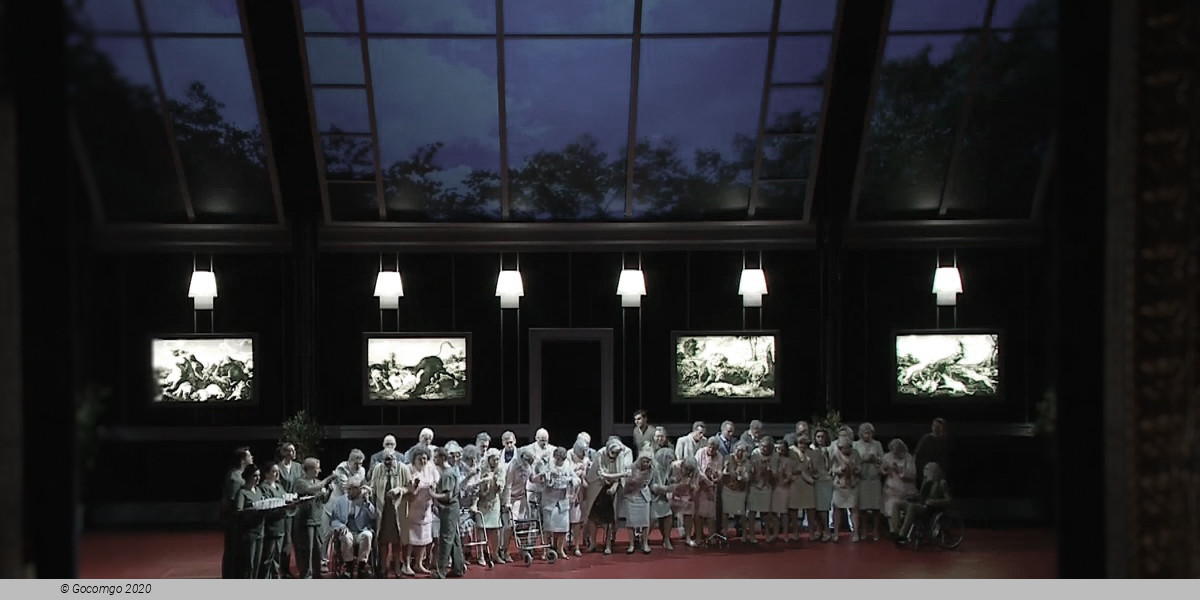
As part of Hong Kong’s 2026 opera season, Opera Hong Kong will present two iconic Italian verismo masterpieces, Mascagni’s Cavalleria Rusticana and Leoncavallo’s Pagliacci, in a powerful double-bill production from 8 to 11 October 2026 at the Hong Kong Cultural Centre Grand Theatre.

This iconic verismo pairing brings together two of the most celebrated Italian operas of the late 19th century, exploring themes of love, betrayal, jealousy and revenge through emotionally charged music and dramatic storytelling. It is one of the key productions in Hong Kong’s 2026 opera program.

Mascagni’s Cavalleria Rusticana – Love, Honour and Tragedy in Sicily

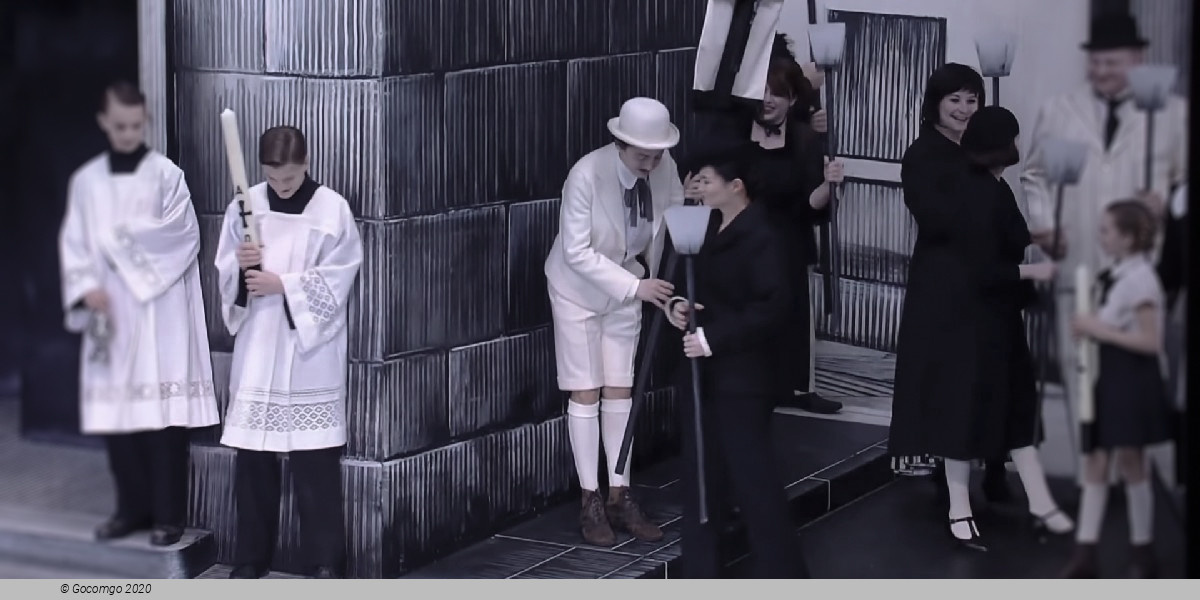
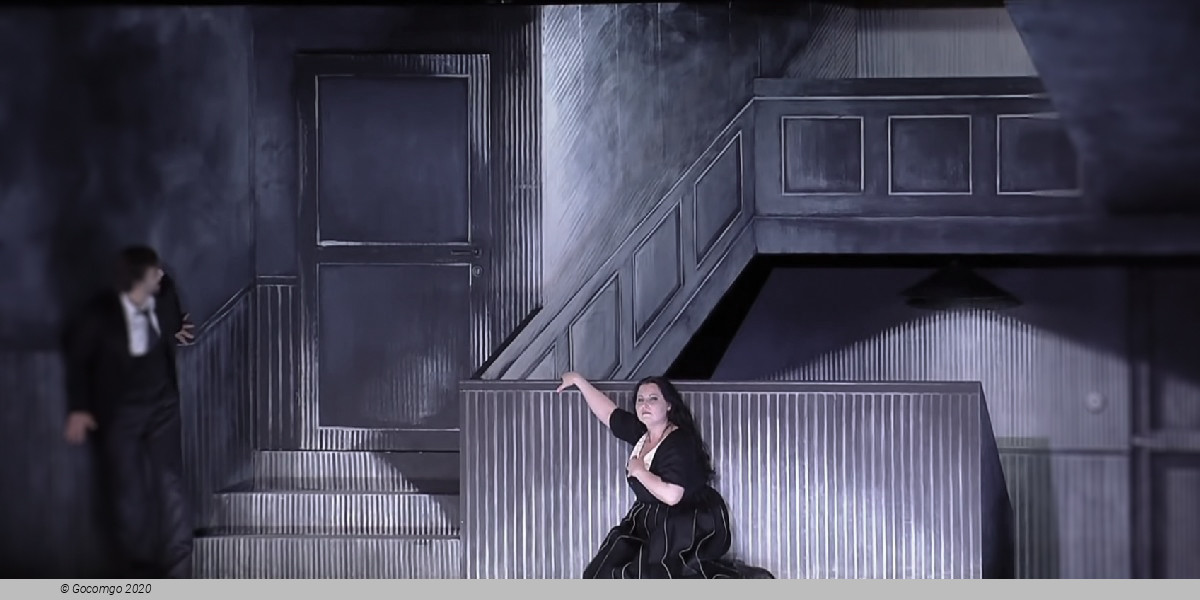
Mascagni’s verismo masterpiece Cavalleria Rusticana is a one-act opera set in a Sicilian village on Easter morning. Santuzza anxiously searches for her lover Turiddu, believing he has returned to his former fiancée Lola, who married the wine merchant Alfio after Turiddu was called away to war. Desperate to win him back but cast aside and consumed by jealousy, Santuzza reveals the affair to Alfio. Enraged, Alfio challenges Turiddu to a duel. Before facing his fatal destiny, Turiddu bids a final farewell to his mother.

With its soaring Intermezzo and powerful emotional intensity, Cavalleria Rusticana remains one of the most moving works in the Italian operatic repertoire.

Leoncavallo’s Pagliacci – When Theatre Turns Deadly

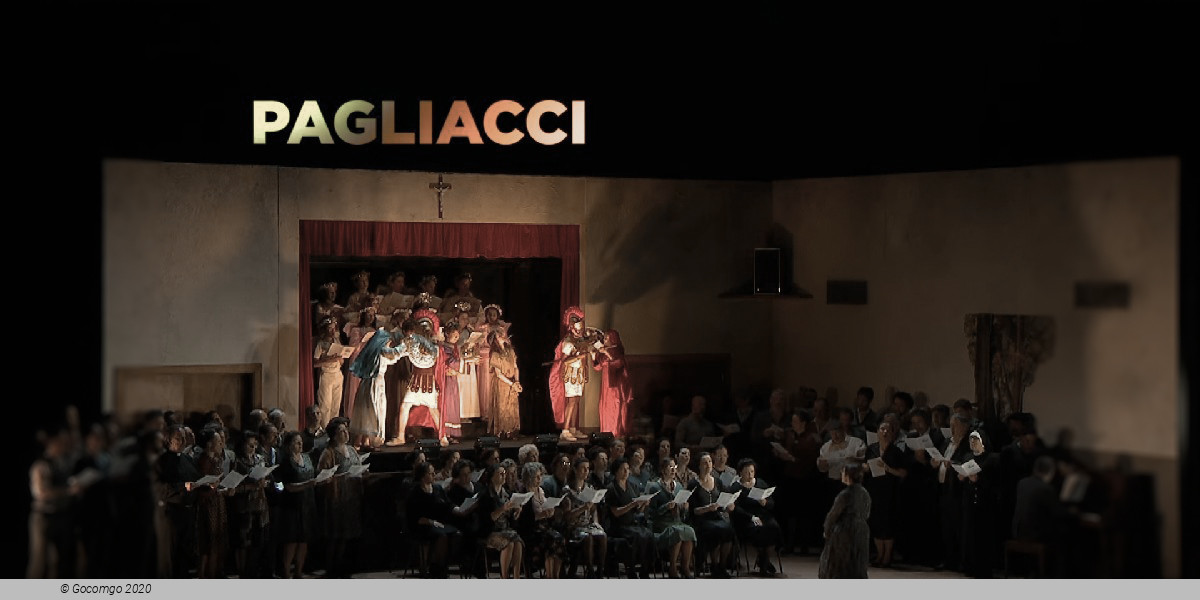
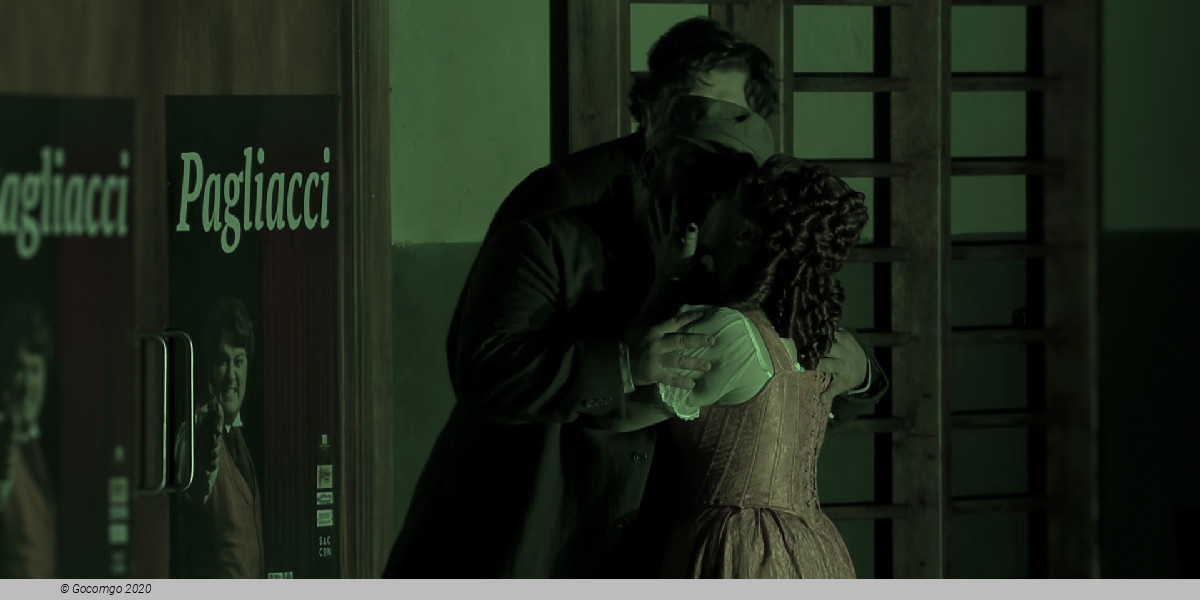
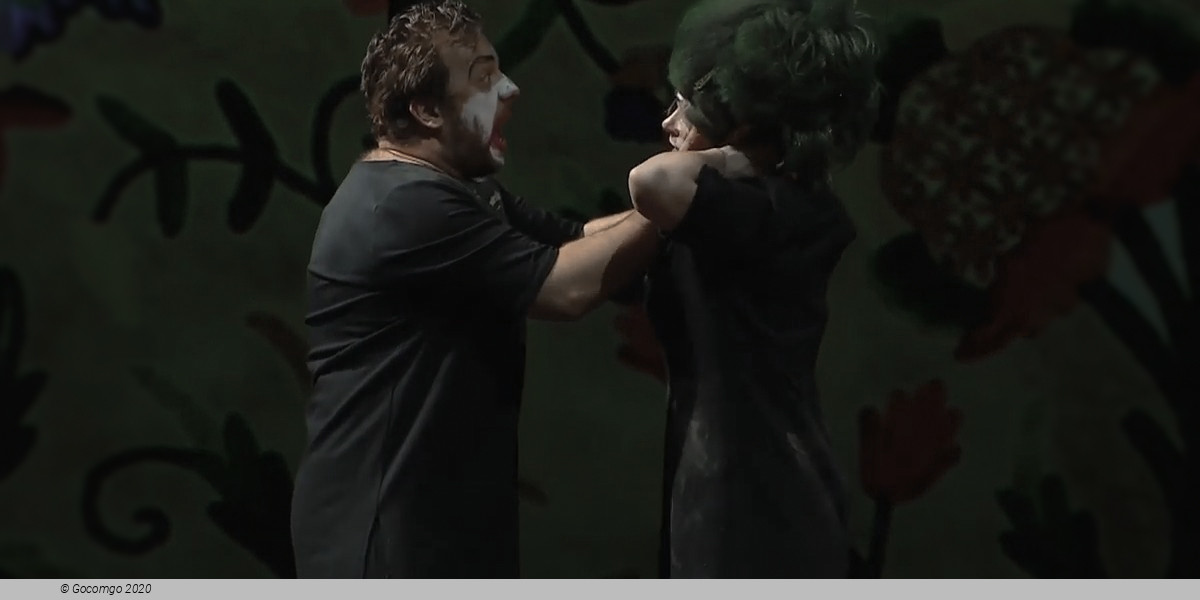
Based on a real late-19th-century Italian murder case, Pagliacci follows Canio, the head of a travelling acting troupe. His wife Nedda is secretly involved with Silvio, a young man from the village where they are performing. Although Nedda initially attempts to end the affair, Silvio persuades her to flee with him after the show. Tonio, another member of the troupe who also desires Nedda, is rejected and seeks revenge by revealing the affair to Canio. During the performance, Canio breaks character, confronts Nedda and, knife in hand, collapses the boundary between theatre and reality.

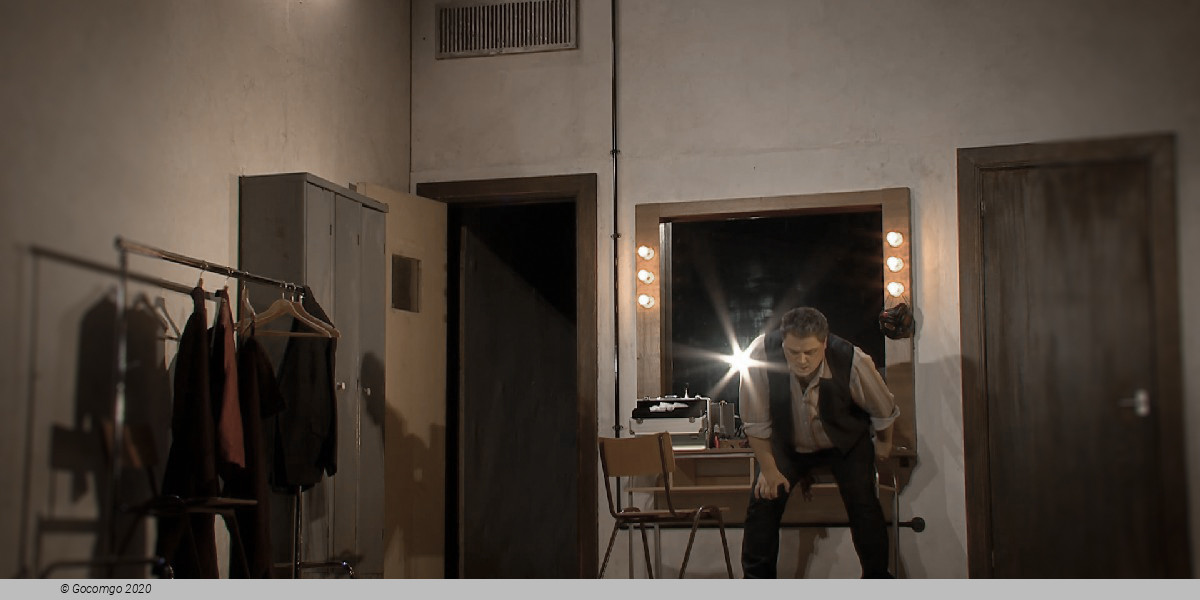
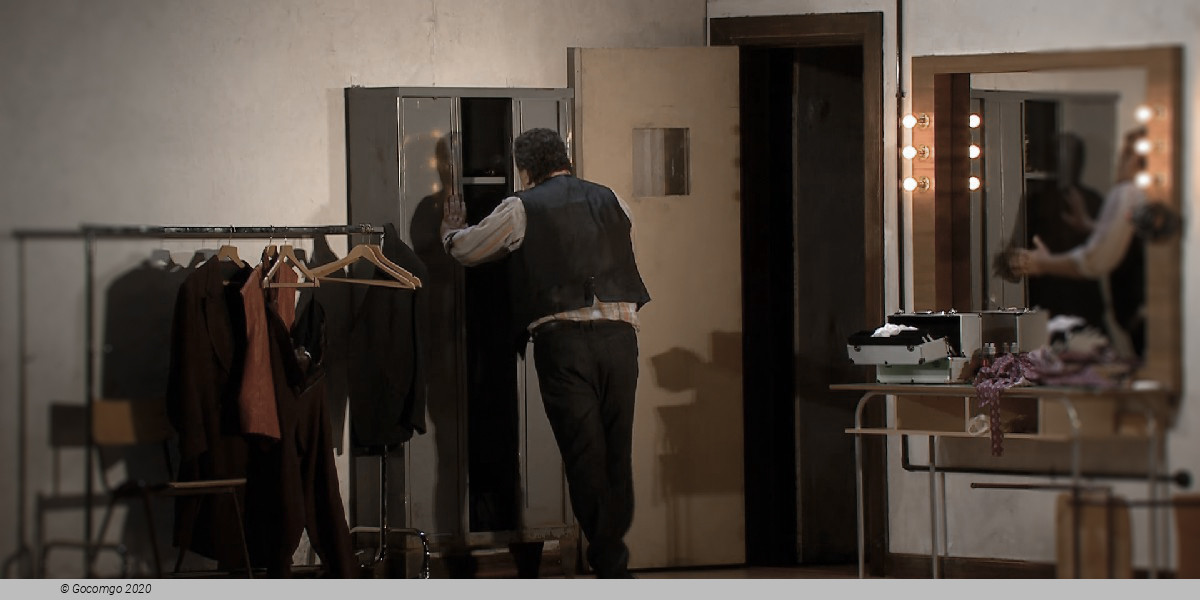
The famous aria “Vesti la giubba” is one of the most recognisable tenor arias in opera history. Pagliacci remains one of the defining masterpieces of verismo opera.

History
Premiere of this production: 17 May 1890, Teatro Costanzi, Rome

Cavalleria rusticana is an opera in one act by Pietro Mascagni to an Italian libretto by Giovanni Targioni-Tozzetti and Guido Menasci, adapted from an 1880 short story of the same name and subsequent play by Giovanni Verga. Considered one of the classic verismo operas, it premiered on 17 May 1890 at the Teatro Costanzi in Rome. Since 1893, it has often been performed in a so-called Cav/Pag double-bill with Pagliacci by Ruggero Leoncavallo.

Premiere of this production: 21 May 1892, Teatro Dal Verme, Milan

Pagliacci is an Italian opera in a prologue and two acts, with music and libretto by Ruggero Leoncavallo. It is the only Leoncavallo opera that is still widely performed. Opera companies have frequently staged Pagliacci with Cavalleria rusticana by Mascagni, a double bill known colloquially as 'Cav and Pag'.

Synopsis

Place: A 19th-century Sicilian village
Time: Easter morning

Before the action takes place, the young villager Turiddu had returned from military service to find that his fiancée Lola had married the carter Alfio while Turiddu was away. In revenge, Turiddu had seduced Santuzza, a young woman in the village. As the opera begins, Lola, overcome by her jealousy of Santuzza, has begun an adulterous affair with Turiddu.

The main square of the village

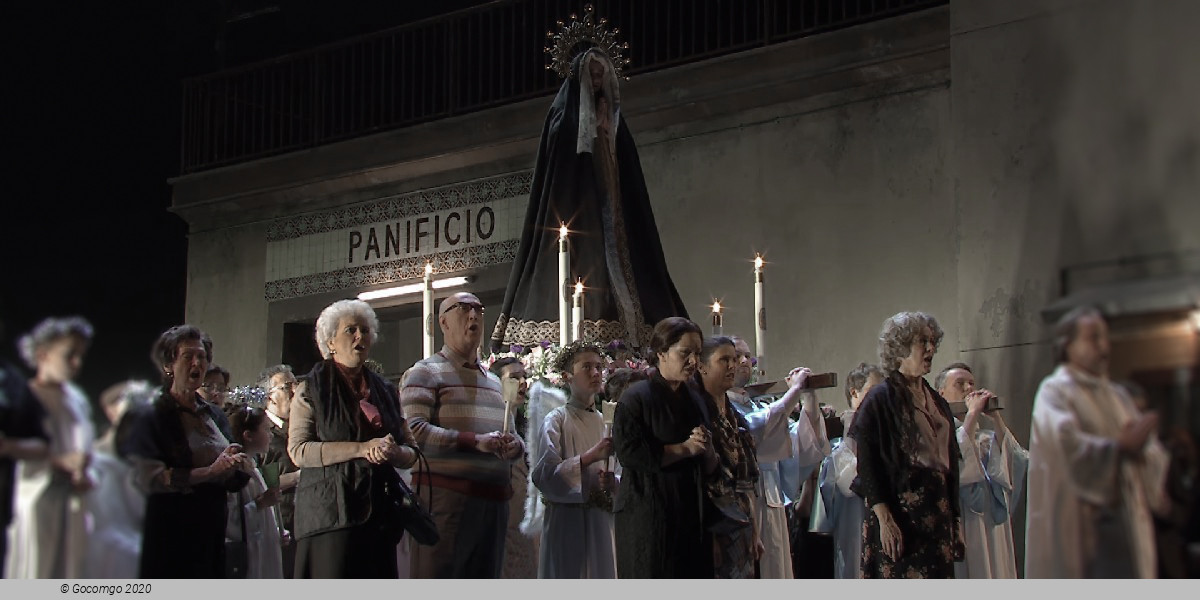
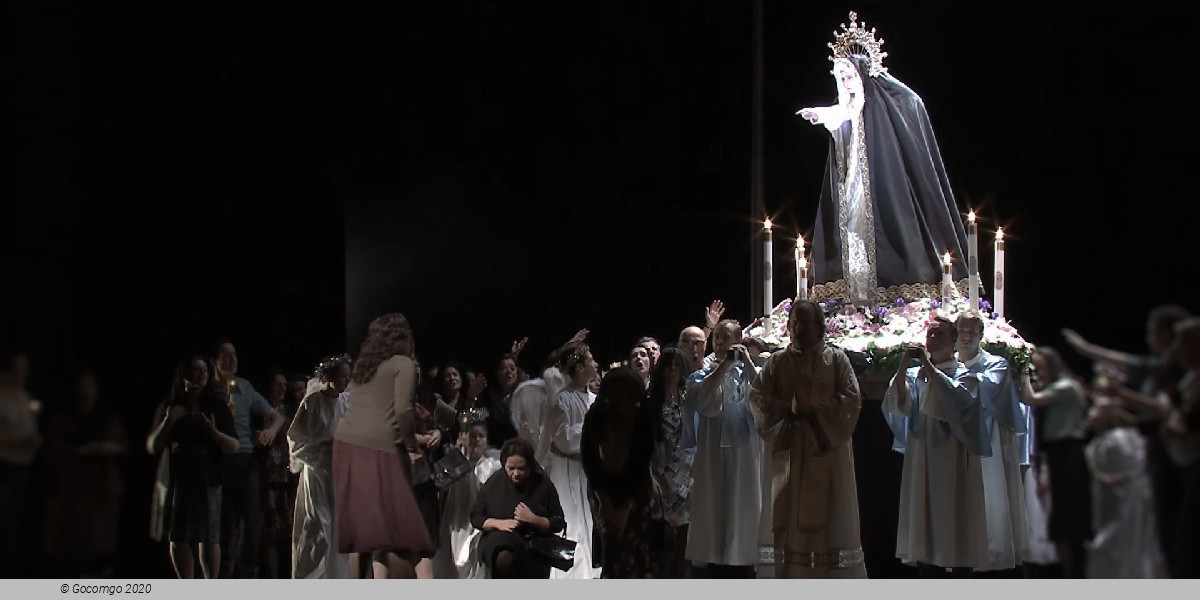
Offstage, Turiddu is heard singing a siciliana, "O Lola c'hai di latti la cammisa" ("O Lola! like the snow, pure in thy whiteness!"). To one side is the church; to the other is Lucia's wine shop and the house where she lives with her son, Turiddu. The villagers move about the square, singing of the beautiful spring day, "Gli aranci olezzano sui verdi margini" ("The air is sweet with orange blossoms") and a hymn to the Blessed Virgin Mary. Some villagers enter the church, and others wander off still singing.


Santuzza, having slept with Turiddu and suspecting that he has betrayed her for Lola, is distraught and approaches Lucia as she comes out of her house. Santuzza asks for Turiddu, but Lucia replies that he has gone to another town to fetch some wine. Santuzza tells her that he was seen during the night in the village. Lucia asks her inside to talk, but just at that moment Alfio arrives on his wagon, accompanied by the villagers. He praises the joys of a teamster's life and the beauty of Lola his bride. Alfio asks Lucia for some of her fine old wine. She tells him it has run out and Turiddu has gone away to buy more. Alfio replies that he had seen Turiddu early that morning near his cottage. Lucia starts to express surprise, but Santuzza stops her.

Alfio leaves. The choir inside the church is heard singing the Regina Coeli. Outside, the villagers sing an Easter Hymn, "Inneggiamo, il Signor non è morto" ("We rejoice that our Saviour is living!") joined by Santuzza. The villagers enter the church, while Santuzza and Lucia remain outside. Lucia asks Santuzza why she signalled her to remain silent when Alfio said that he had seen Turiddu that morning. Santuzza exclaims, "Voi lo sapete" ("You well know") and tells Lucia the story of her seduction by Turiddu and his affair with Lola. Lucia pities Santuzza, who feels dishonored, having been seduced by Turiddu only to be abandoned by him for his old flame, Lola. Santuzza feels she cannot enter the church, but begs Lucia to go inside herself and pray for Santuzza who stays behind to try to plead with Turiddu to leave Lola and return to her.

Turiddu arrives. Santuzza upbraids him for pretending to have gone away, when he was actually seeing Lola. Lola enters the square singing. She mocks Santuzza and goes inside the church. Turiddu turns to follow Lola, but Santuzza begs him to stay. Turiddu pushes her away. She clings to him. He loosens her hands, throws her to the ground, and enters the church. Alfio arrives looking for Lola. Santuzza tells him that his wife has betrayed him with Turiddu. Alfio swears to take vendetta (revenge) which causes Santuzza to repent for having disclosed the affair and begs Alfio to stop to no avail.

The square is empty as the orchestra plays the famous Intermezzo.

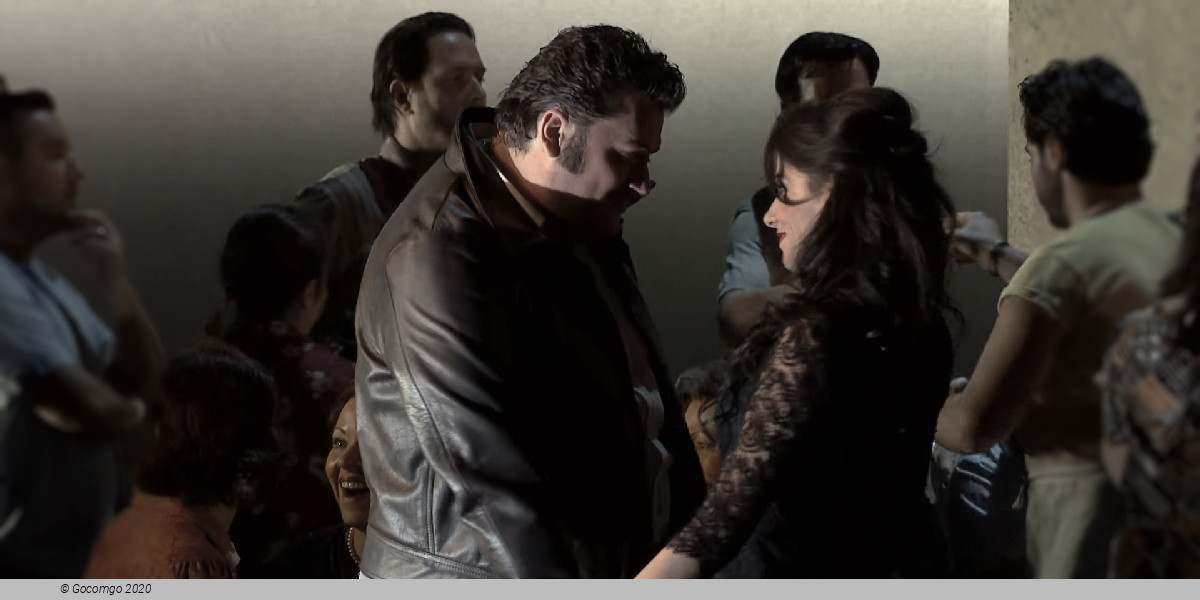
The villagers come out of the church. Turiddu is in high spirits because he is with Lola and Santuzza appears to have gone. He invites his friends to his mother’s wine shop where he sings a drinking song, "Viva, il vino spumeggiante" ("Hail to the bubbling wine!"). Alfio joins them. Turiddu offers him wine, but he refuses it. All understand that trouble is in the air. The women leave, taking Lola with them. In a brief exchange of words, Alfio challenges Turiddu to a duel. Following Sicilian custom, the two men embrace, and Turiddu, in a token of acceptance, bites Alfio’s ear, drawing blood which signifies a fight to the death. Alfio leaves and Turiddu calls Lucia back. He tells her that he is going outside to get some air and asks that she be a kindly mother to Santuzza if he should not return: "Un bacio, mamma! Un altro bacio!—Addio!" ("One kiss, mother! One more kiss! – Farewell!").

Turiddu rushes out. Lucia, weeping, wanders aimlessly around outside her house. Santuzza approaches and throws her arms around her. The villagers start to crowd around. Voices are heard in the distance and a woman cries, "They have murdered Turiddu!" Santuzza faints and Lucia collapses in the arms of the women villagers.


Venue Info

Hong Kong Cultural Centre - Hong Kong
Location   10 Salisbury Rd, Tsim Sha Tsui, Kowloon

Hong Kong Cultural Centre is one of Hong Kong’s leading performing arts venues, occupying a prominent waterfront position in Tsim Sha Tsui beside Victoria Harbour. Opened in 1989, the centre was created as a major cultural complex for music, opera, dance and theatre, and has since become an important stage for both Hong Kong companies and international artists.

The building is instantly recognisable for its striking modernist architecture. Its sweeping, sloping exterior has been compared to a vast wing, while the spacious piazza in front opens towards the harbour and the historic Tsim Sha Tsui Clock Tower. Together with the neighbouring Hong Kong Museum of Art and Hong Kong Space Museum, the Cultural Centre forms one of the most prominent cultural areas on the Kowloon waterfront.

The centre contains three principal performance venues. The Grand Theatre, with 1,734 seats arranged over three tiers, is designed specifically for large-scale opera, ballet, musicals, dance and theatrical productions. Its sophisticated stage machinery includes a revolving stage wagon and an electrically operated orchestra pit, allowing it to accommodate demanding international productions.

The Concert Hall, with almost 2,000 seats, is an important venue for orchestral and vocal music. Its oval auditorium features adjustable acoustic elements designed to optimise sound projection, while its impressive Rieger organ, with 8,000 pipes, is one of the defining features of the hall. The smaller Studio Theatre provides a more flexible environment for intimate and experimental productions.

With its combination of advanced performance facilities, international programming and exceptional harbour-side setting, Hong Kong Cultural Centre occupies a special place in the city’s cultural landscape. A performance here offers not only the experience of world-class music, opera or ballet, but also an unforgettable encounter with the energy and spectacular waterfront scenery of Hong Kong.

Important Info
Type: Opera
City: Hong Kong, China
Sung in: Italian
Titles in: Chinese,English

E-tickets: Print at home or at the box office of the event if so specified. You will find more information in your booking confirmation email.

You can only select the category, and not the exact seats.
If you order 2 or 3 tickets: your seats will be next to each other.
If you order 4 or more tickets: your seats will be next to each other, or, if this is not possible, we will provide a combination of groups of seats (at least in pairs, for example 2+2 or 2+3).

From
$ 125
Top of page