
Belfast Grand Opera House tickets 7 August 2027 - Hadestown | GoComGo.com

Hadestown

Belfast Grand Opera House, Belfast , Northern Ireland
All photos (7)
Select date and time
2:30 PM 7:30 PM
From
US$ 105

E-tickets: Print at home or at the box office of the event if so specified. You will find more information in your booking confirmation email.

You can only select the category, and not the exact seats.
If you order 2 or 3 tickets: your seats will be next to each other.
If you order 4 or more tickets: your seats will be next to each other, or, if this is not possible, we will provide a combination of groups of seats (at least in pairs, for example 2+2 or 2+3).

Important Info
Type: Musical
City: Belfast , Northern Ireland
Starts at: 19:30

E-tickets: Print at home or at the box office of the event if so specified. You will find more information in your booking confirmation email.

You can only select the category, and not the exact seats.
If you order 2 or 3 tickets: your seats will be next to each other.
If you order 4 or more tickets: your seats will be next to each other, or, if this is not possible, we will provide a combination of groups of seats (at least in pairs, for example 2+2 or 2+3).

Overview

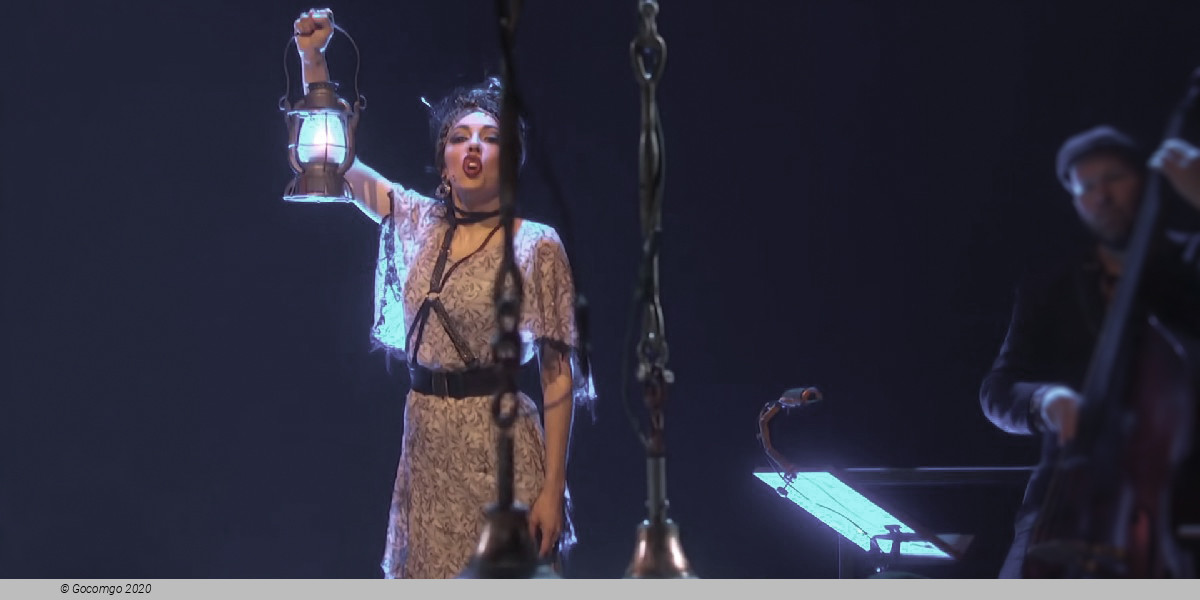
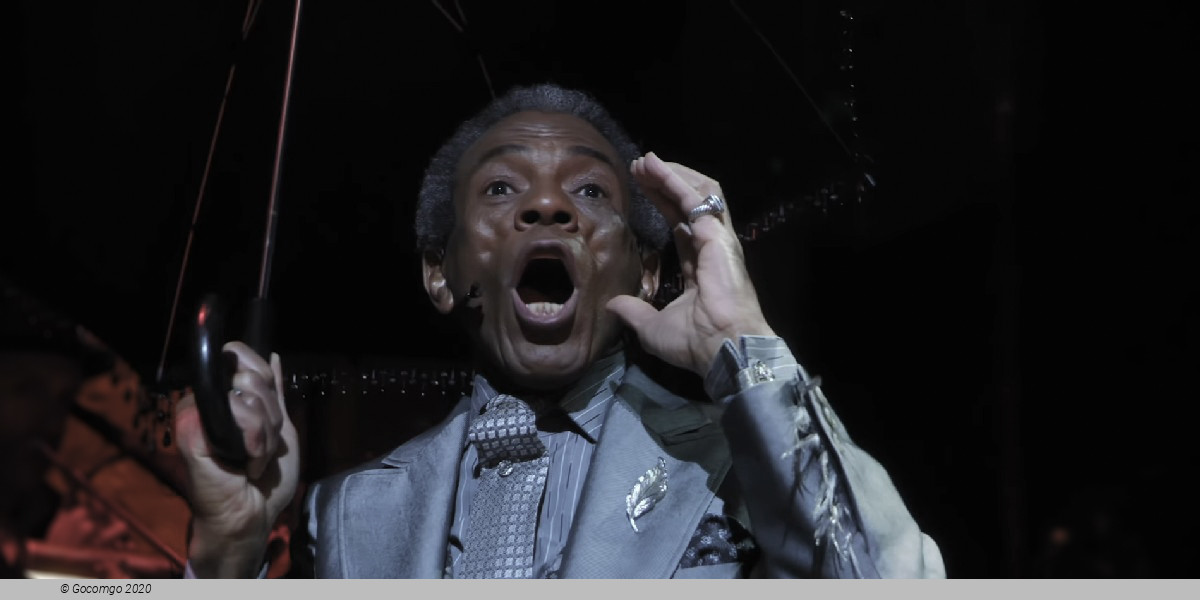
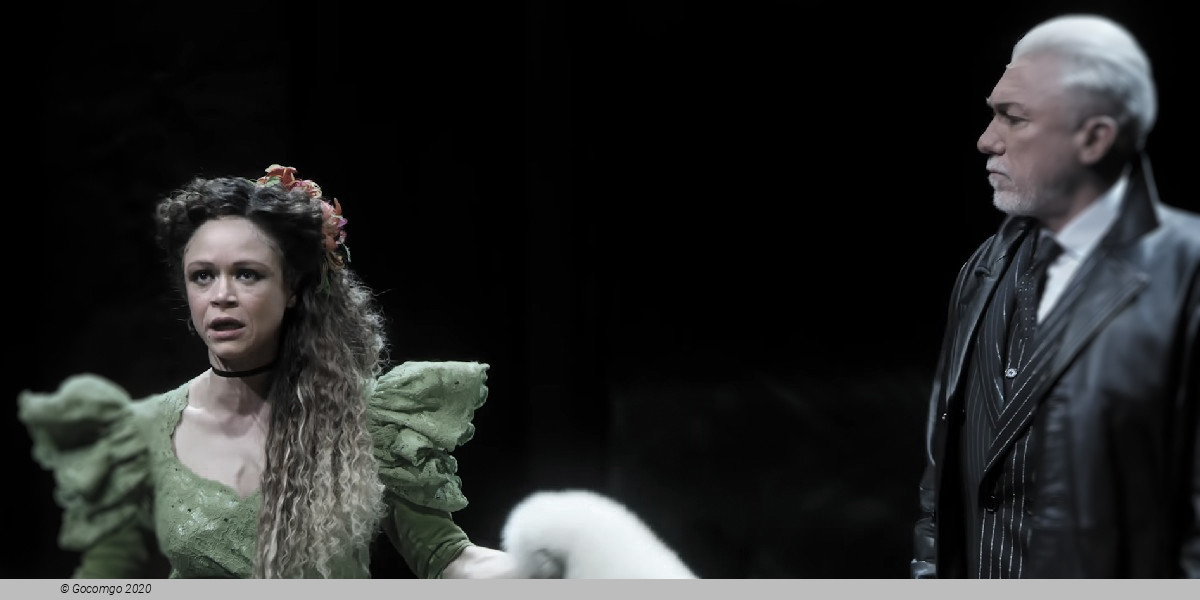
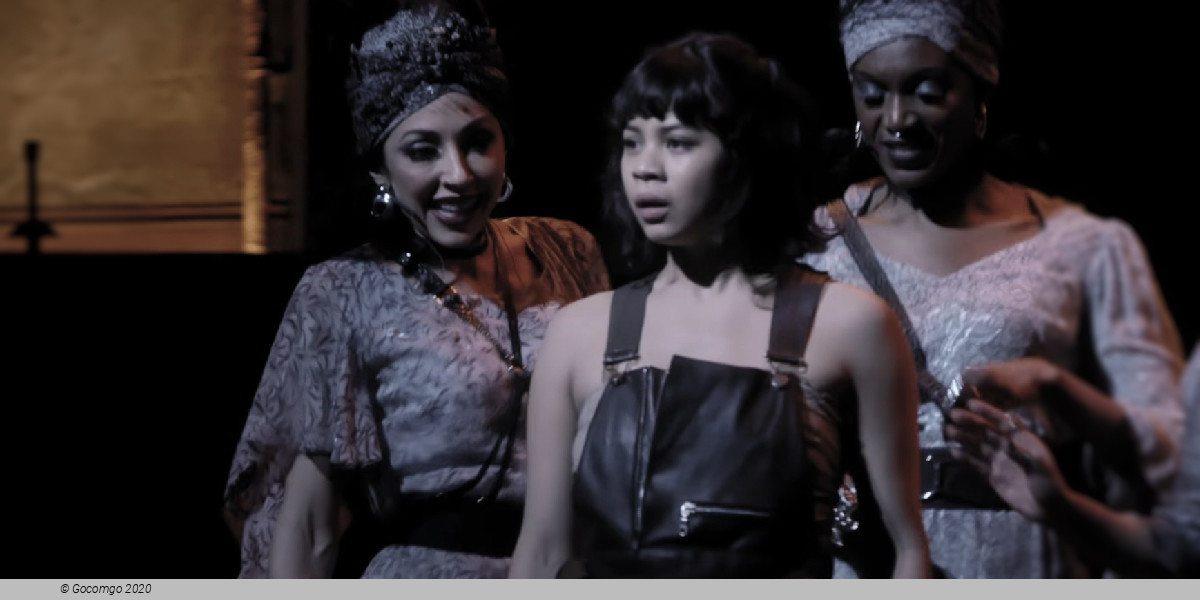
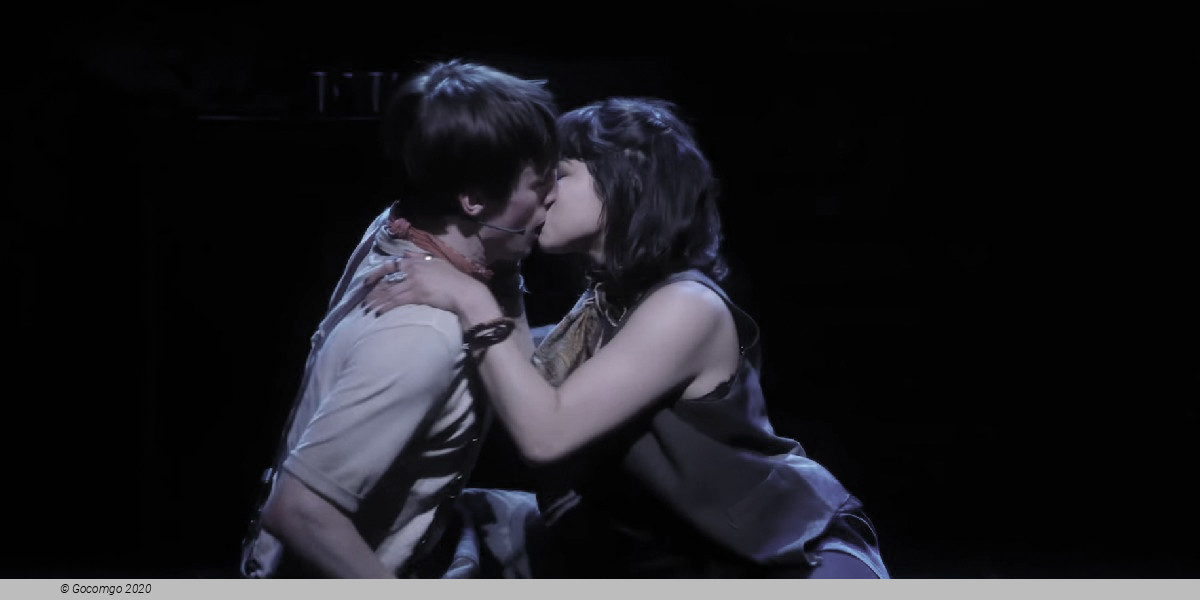
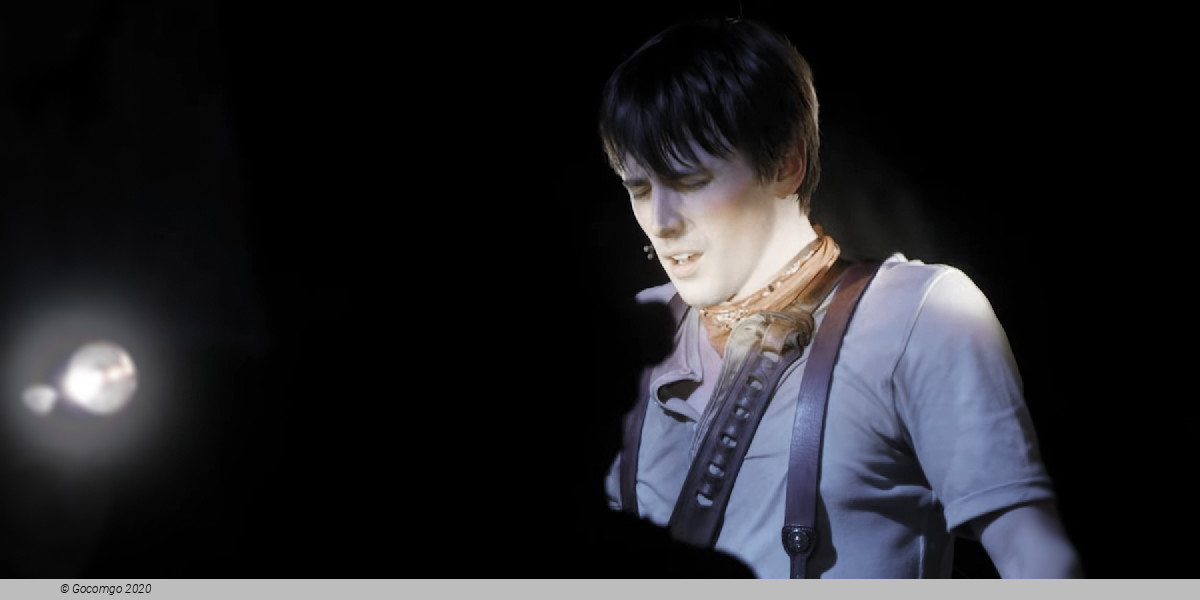
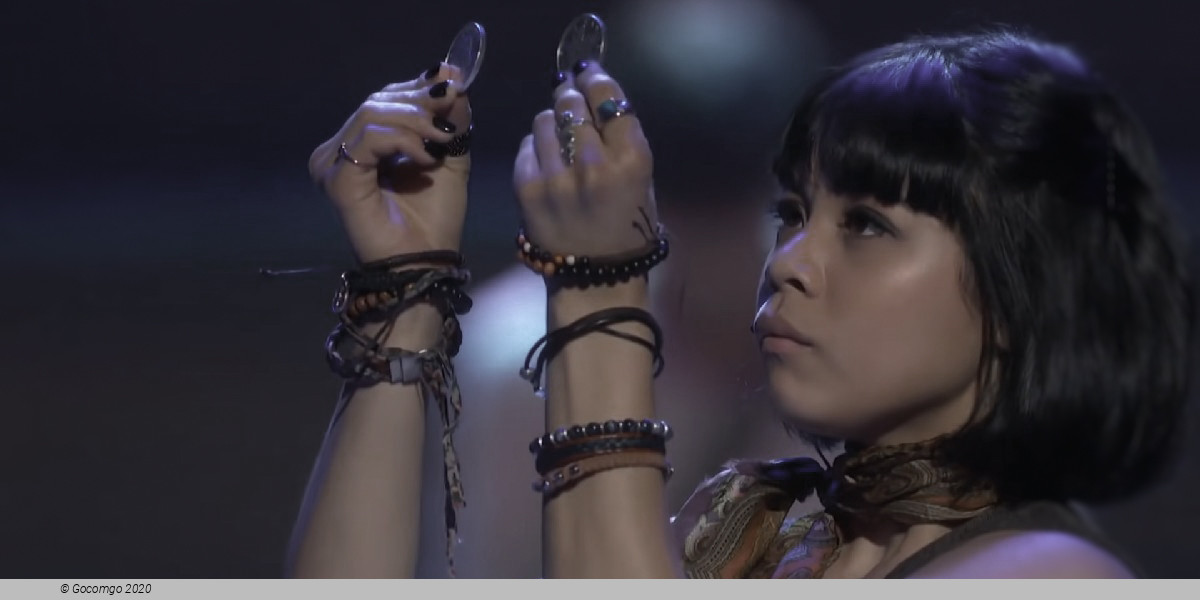
Welcome to Hadestown, where a song can change your fate.  The acclaimed Broadway musical phenomenon by singer-songwriter Anaïs Mitchell and director Rachel Chavkin, is now playing at the Lyric Theatre.  ‘An epic celebration of music, togetherness and hope’ (Forbes), Hadestown is the winner of 8 Tony Awards® including Best Musical and the Grammy Award® for Best Musical Theatre Album.  Take an unforgettable journey to the underworld and back, intertwining two mythic love stories – that of young dreamers Orpheus and Eurydice, and that of King Hades and his wife Persephone.  A deeply resonant and defiantly hopeful theatrical experience, the show invites you to imagine how the world could be.

History
Premiere of this production: 30 November 2005, Barre, Vermont, USA

Hadestown is a musical with music, lyrics and book by Anaïs Mitchell. It tells a version of the ancient Greek myth of Orpheus and Eurydice, where Orpheus goes to the underworld to rescue his lover, Eurydice.

Synopsis

Act I

The story begins with the Greek God, Hermes, introducing the characters (“Road to Hell”). This is followed by the Fates and Eurydice describing the harsh weather and famine of the setting (“Any Way the Wind Blows”). Orpheus, Hermes’s ward, introduces himself to Eurydice and asks her to marry him (“Come Home With Me”). Eurydice, however, is doubtful, since they both live in poverty. Orpheus tells her that he is writing a song to make spring come again, and they will no longer have to struggle (“Wedding Song”)

Orpheus sings the story of Hades and Persephone (“Epic I”). Persephone arrives in the world above and celebrates summertime (“Livin’ it up on Top”), while Eurydice truly begins to fall in love with Orpheus (“All I’ve Ever Known.”). Hades comes early to collect Persephone, and she voices her misery of having to return to Hadestown, Hades’ underground factory. Despite hearing about the never-ending labor endured by the factory workers, Eurydice is intrigued by the rich praises sung by the Fates as well as the promise of protection that Hadestown offers (“Way Down Hadestown”). Without Persephone, the long winter returns and Eurydice searches for food and firewood, urging Orpheus to finish his song (“A Gathering Storm”). Orpheus continues working on his song (“Epic II”), while Persephone and Hades argue (“Chant”).

Hades leaves his factory to find someone who will appreciate its safety and security. He comes across a desperate Eurydice, and invites her to come to Hadestown (“Hey, Little Songbird”). The Fates appear and urge Eurydice to join him (“When the Chips are Down”). With the cold surging on, and Orpheus’s song remaining uncompleted, Eurydice sees no other option except to follow Hades. She sings her goodbyes to Orpheus before disappearing. (“Gone, I’m Gone”). Orpheus discovers Eurydice’s disappearance, and becomes determined to rescue her from Hadestown. He sets off on his journey using Hermes’ instructions on how to get there without the use of Hades’ train (“Wait for Me”). Eurydice arrives in Hadestown and signs the contract, officially becoming a worker. (“Why We Build the Wall”).

Act II

An entr'acte reveals that Persephone is bypassing Hades’ laws by selling wind, rain, and sunshine to the workers (“Our Lady of the Underground"). Eurydice begins to realize the consequences of her choice to go to Hadestown: she will soon become a mindless laborer and can never leave unless Hades consents to let her go (“Way Down Hadestown (Reprise)"). She sings of her regrets as her memories of the world above slowly begin to fade (“Flowers”).

Orpheus arrives in Hadestown, and promises Eurydice that he will take her home with him. While Eurydice is relieved, she explains to Orpheus that she is not able to leave (“Come Home with Me (Reprise)"). Orpheus does not understand, until Hades appears and reveals to him that Eurydice willingly signed the contract (“Papers”). The workers then attack Orpheus and the Fates tell him to give up hope (“Nothing Changes”). Despite almost giving up, Orpheus vows to find a way to free Eurydice, rallying up the workers and opening their eyes to the true horrors of Hadestown (“If It’s True”).

Persephone is inspired by Orpheus’ determination and urges Hades to let Eurydice go (“How Long”). While the workers begin to truly question the amount of freedom they have, Hades bitterly offers Orpheus a chance to sing his completed song, threatening to kill him afterwards (“Chant (Reprise)"). Orpheus sings his song, reminding Hades of his love for Persephone (“Epic III”). The two gods reconcile through a dance, after which Orpheus and Eurydice promise to stay together no matter how hard (“Promises”). Orpheus asks Hades if they may leave, and Hades tells him that he has not reached a decision. The Fates taunt him for his dilemma: If he kills Orpheus and keeps Eurydice captive, they become martyrs, but if he lets them go, he loses control over his workers as they have begun to agitate for their freedom (“Word to the Wise”). Hades decides to let them go on one condition: Orpheus must lead them out. If he turns to confirm that Eurydice is following him, she will be condemned to stay in his factory forever (“His Kiss, the Riot”).

Hermes explains the condition to Orpheus and Eurydice, and they begin heading out with the workers looking to them for hope, while Persephone and Hades decide to give their relationship another chance (“Wait for Me (Reprise)"). Orpheus makes it up to the end, where he is overcome by doubt and turns around, sending Eurydice back to Hadestown (“Doubt Comes In”). Hermes reflects on the somber tale and why it must be told. (“Road to Hell (Reprise)"). After the bows at curtain call, the cast raises a cup to honor Orpheus (“We Raise Our Cups”).

Venue Info

Belfast Grand Opera House - Belfast 
Location   2-4 Great Victoria St

The Grand Opera House is a theatre in Belfast, Northern Ireland, designed by the most prolific theatre architect of the period, Frank Matcham. It opened on 23 December 1895. According to the Theatres Trust, the "magnificent auditorium is probably the best surviving example in the United Kingdom of the oriental style applied to theatre architecture".

It was renamed the Palace of Varieties in 1904, although it reverted to its original name in 1909. Variety programmes dominated in the 1920s and 1930s and the theatre saw performances by Gracie Fields, Will Fyffe and Harry Lauder. It became a repertory theatre during World War II and at the celebrations to mark the end of the war, Eisenhower, Montgomery and Alanbrooke attended gala performances at the theatre. The Grand Opera House was acquired by the Rank Organisation, which led to its use as a cinema between 1961 and 1972.

As business slowed in the early 1970s with the onset of the Troubles, Rank initiated plans to sell the theatre to a property developer, who proposed that the building be pulled down and replaced with an office block. However, following the action of Kenneth Jamison (director of the Arts Council of Northern Ireland) and Charles Brett (founder member of the Ulster Architectural Heritage Society and ACNI board member), the building was bought by the Arts Council of Northern Ireland and listed in 1974. The Permanent Secretary of the Department of Education, Arthur Brooke, lent his support to the project and his department provided the funding for extensive renovatation of the theatre. The Grand Opera House reopened in 1980.

The building has been damaged by bombs on several occasions, usually when the nearby Europa Hotel had been targeted. It was badly damaged by bomb blasts in 1991 and 1993. The theatre continued, however, to host musicals, plays, pantomimes and live music.

2006 renovation and reopening

In 1995 the running of the theatre was taken over by the Grand Opera House Trust. An renovation was undertaken in 2006 with the addition of the Baby Grand performance space together with extended foyers, extended stage wings and artist accommodation and access for customers with disabilities. A restaurant called "The Hippodrome" was added on the third floor, while on the ground floor a daytime bistro named "Luciano's" opened, as well as space for corporate meetings and functions. "Luciano's" closed after several years of poor trading.

The building hosts smaller musical, dramatic and comedy performances as well as educational events. The theatre reopened with a Gala event on 21 October 2006. The capacity is 1,063.

Important Info
Type: Musical
City: Belfast , Northern Ireland
Starts at: 19:30
Top of page