Act I
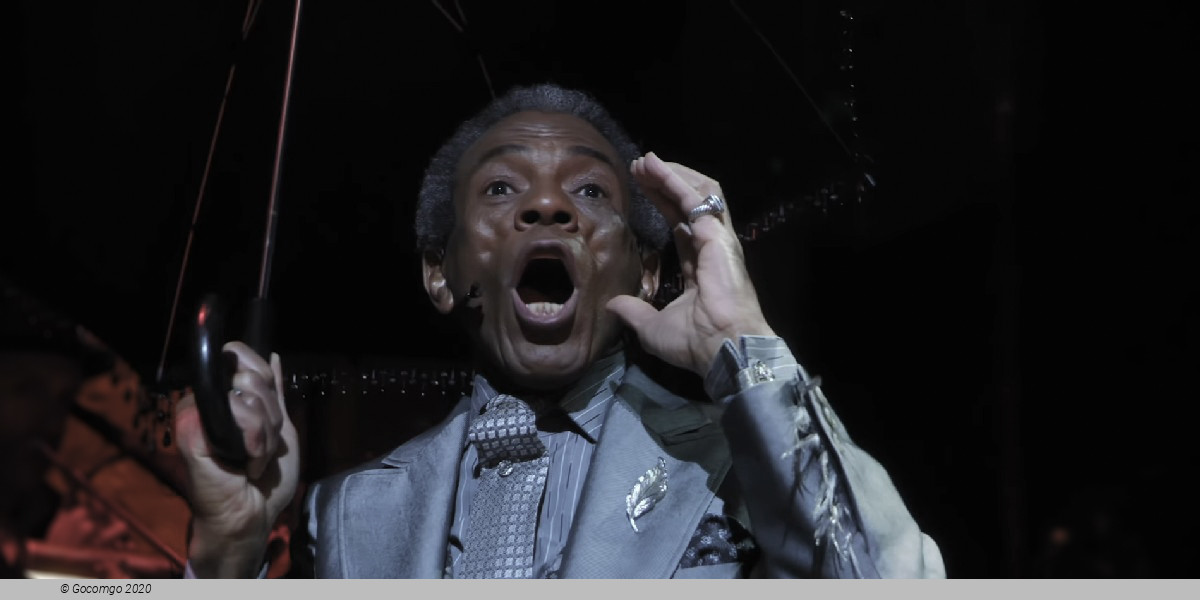
The story begins with the Greek God, Hermes, introducing the characters (“Road to Hell”). This is followed by the Fates and Eurydice describing the harsh weather and famine of the setting (“Any Way the Wind Blows”). Orpheus, Hermes’s ward, introduces himself to Eurydice and asks her to marry him (“Come Home With Me”). Eurydice, however, is doubtful, since they both live in poverty. Orpheus tells her that he is writing a song to make spring come again, and they will no longer have to struggle (“Wedding Song”)
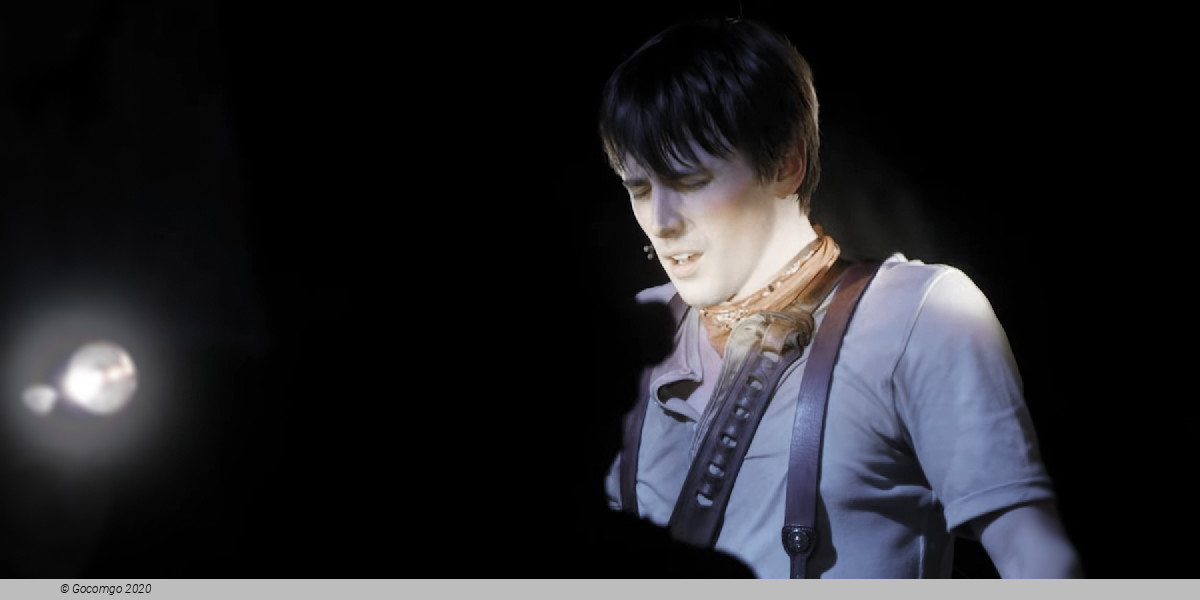
Orpheus sings the story of Hades and Persephone (“Epic I”). Persephone arrives in the world above and celebrates summertime (“Livin’ it up on Top”), while Eurydice truly begins to fall in love with Orpheus (“All I’ve Ever Known.”). Hades comes early to collect Persephone, and she voices her misery of having to return to Hadestown, Hades’ underground factory. Despite hearing about the never-ending labor endured by the factory workers, Eurydice is intrigued by the rich praises sung by the Fates as well as the promise of protection that Hadestown offers (“Way Down Hadestown”). Without Persephone, the long winter returns and Eurydice searches for food and firewood, urging Orpheus to finish his song (“A Gathering Storm”). Orpheus continues working on his song (“Epic II”), while Persephone and Hades argue (“Chant”).
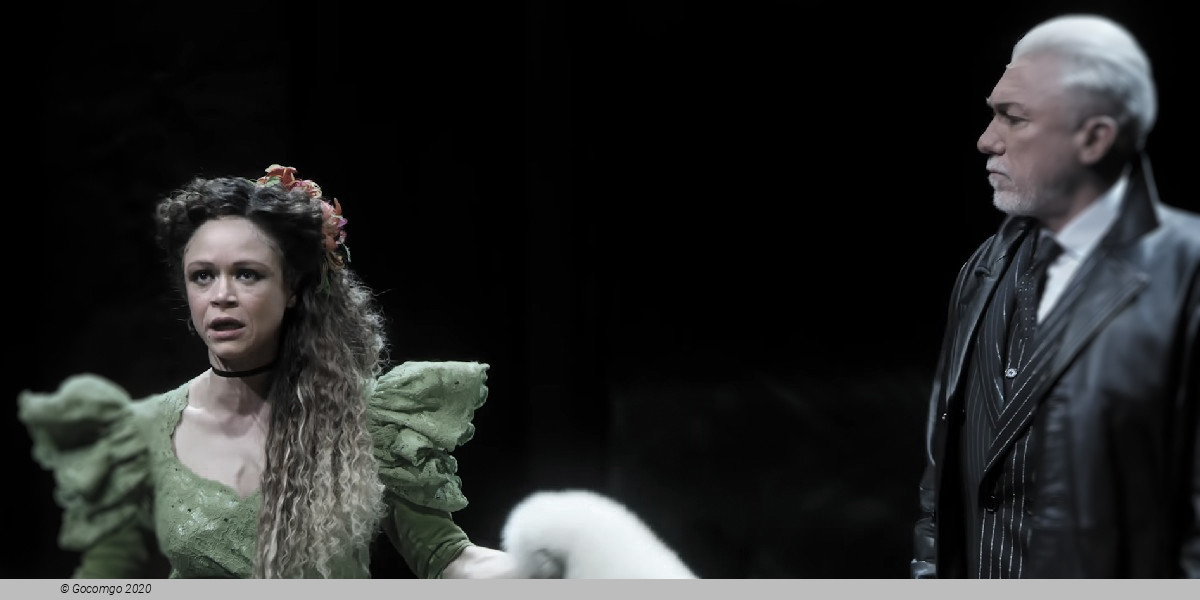
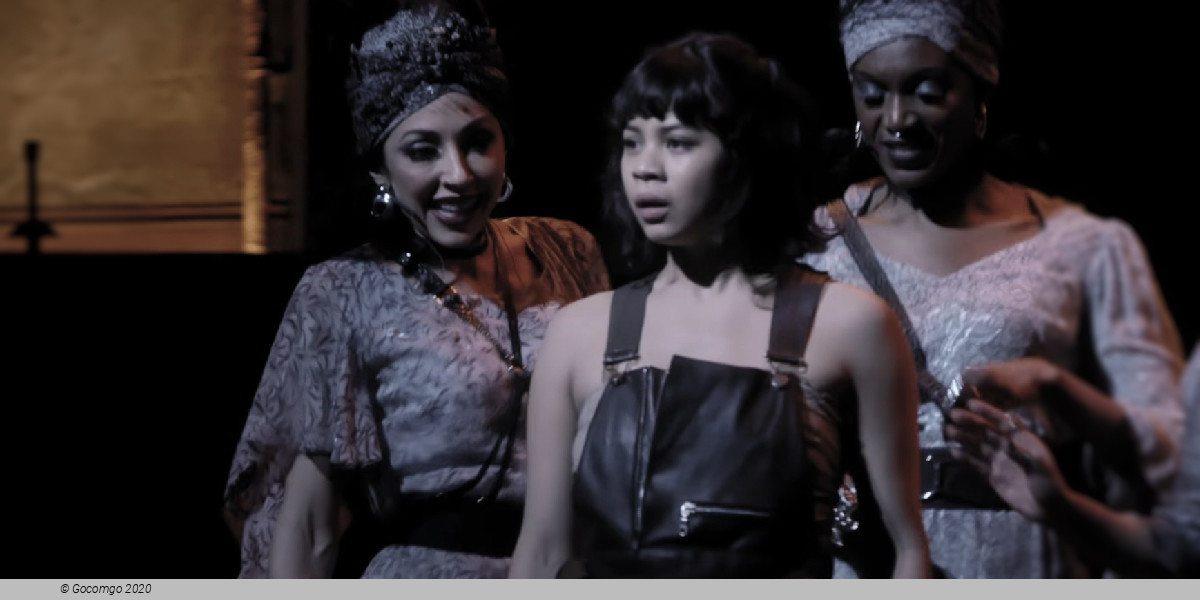
Hades leaves his factory to find someone who will appreciate its safety and security. He comes across a desperate Eurydice, and invites her to come to Hadestown (“Hey, Little Songbird”). The Fates appear and urge Eurydice to join him (“When the Chips are Down”). With the cold surging on, and Orpheus’s song remaining uncompleted, Eurydice sees no other option except to follow Hades. She sings her goodbyes to Orpheus before disappearing. (“Gone, I’m Gone”). Orpheus discovers Eurydice’s disappearance, and becomes determined to rescue her from Hadestown. He sets off on his journey using Hermes’ instructions on how to get there without the use of Hades’ train (“Wait for Me”). Eurydice arrives in Hadestown and signs the contract, officially becoming a worker. (“Why We Build the Wall”).
Act II
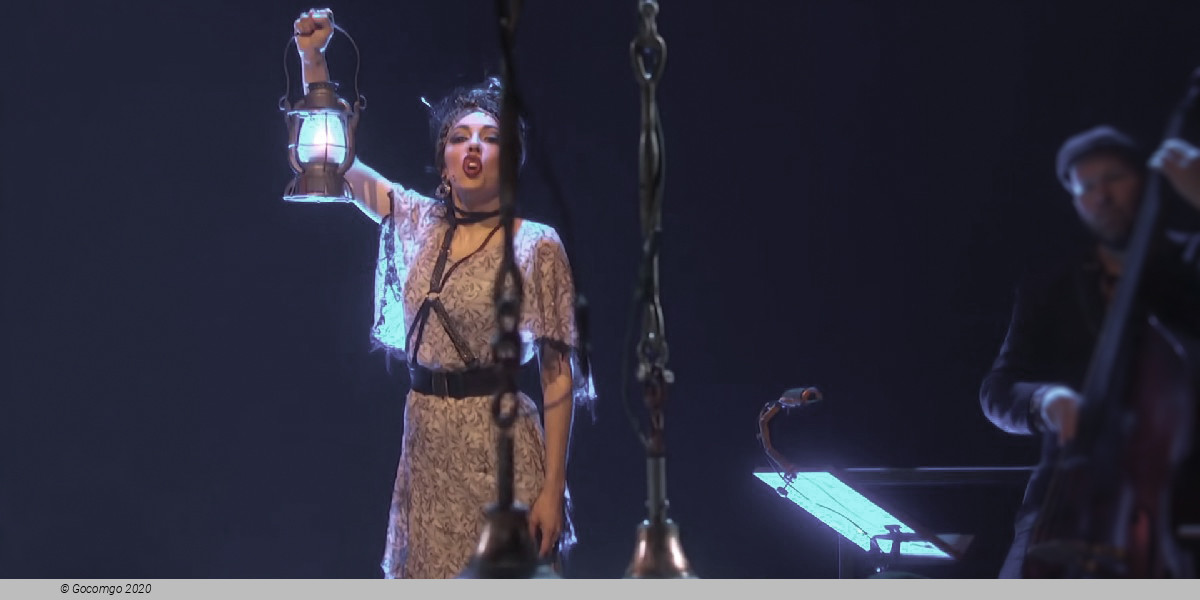
An entr'acte reveals that Persephone is bypassing Hades’ laws by selling wind, rain, and sunshine to the workers (“Our Lady of the Underground"). Eurydice begins to realize the consequences of her choice to go to Hadestown: she will soon become a mindless laborer and can never leave unless Hades consents to let her go (“Way Down Hadestown (Reprise)"). She sings of her regrets as her memories of the world above slowly begin to fade (“Flowers”).
Orpheus arrives in Hadestown, and promises Eurydice that he will take her home with him. While Eurydice is relieved, she explains to Orpheus that she is not able to leave (“Come Home with Me (Reprise)"). Orpheus does not understand, until Hades appears and reveals to him that Eurydice willingly signed the contract (“Papers”). The workers then attack Orpheus and the Fates tell him to give up hope (“Nothing Changes”). Despite almost giving up, Orpheus vows to find a way to free Eurydice, rallying up the workers and opening their eyes to the true horrors of Hadestown (“If It’s True”).
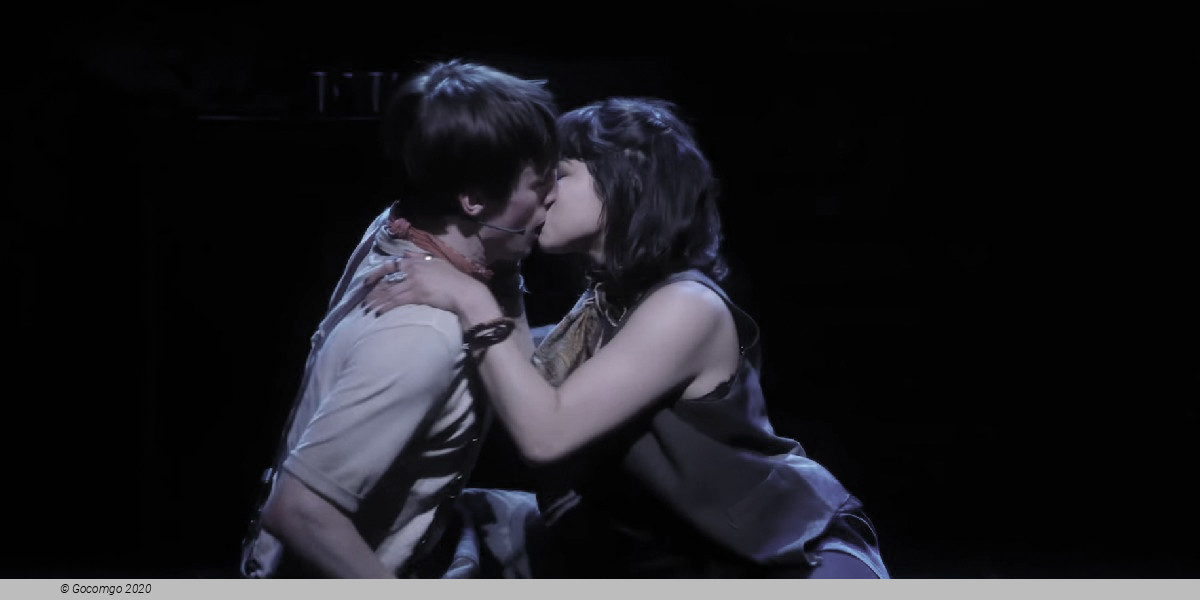
Persephone is inspired by Orpheus’ determination and urges Hades to let Eurydice go (“How Long”). While the workers begin to truly question the amount of freedom they have, Hades bitterly offers Orpheus a chance to sing his completed song, threatening to kill him afterwards (“Chant (Reprise)"). Orpheus sings his song, reminding Hades of his love for Persephone (“Epic III”). The two gods reconcile through a dance, after which Orpheus and Eurydice promise to stay together no matter how hard (“Promises”). Orpheus asks Hades if they may leave, and Hades tells him that he has not reached a decision. The Fates taunt him for his dilemma: If he kills Orpheus and keeps Eurydice captive, they become martyrs, but if he lets them go, he loses control over his workers as they have begun to agitate for their freedom (“Word to the Wise”). Hades decides to let them go on one condition: Orpheus must lead them out. If he turns to confirm that Eurydice is following him, she will be condemned to stay in his factory forever (“His Kiss, the Riot”).
Hermes explains the condition to Orpheus and Eurydice, and they begin heading out with the workers looking to them for hope, while Persephone and Hades decide to give their relationship another chance (“Wait for Me (Reprise)"). Orpheus makes it up to the end, where he is overcome by doubt and turns around, sending Eurydice back to Hadestown (“Doubt Comes In”). Hermes reflects on the somber tale and why it must be told. (“Road to Hell (Reprise)"). After the bows at curtain call, the cast raises a cup to honor Orpheus (“We Raise Our Cups”).






 60 Rutland St